Acne is a common skin condition that affects millions of people worldwide. While active breakouts are frustrating, the scars and marks they leave behind can be even more distressing. This article will explore the nature of acne marks (暗瘡印), different types of acne scars (凹凸洞 and 暗瘡疤), and effective treatments to help you achieve clearer, smoother skin.
What are Acne Marks (暗瘡印)?
Acne marks, known as 暗瘡印 in Chinese, are the discolorations left on the skin after an acne breakout has healed. These marks are not true scars but rather post-inflammatory hyperpigmentation (PIH), which occurs when the skin produces excess melanin in response to inflammation. PIH can appear as red, purple, brown, or black spots, depending on skin tone and the severity of the acne.
Causes of Acne Marks:
Inflammation: The inflammation caused by acne triggers melanin production, leading to dark spots.
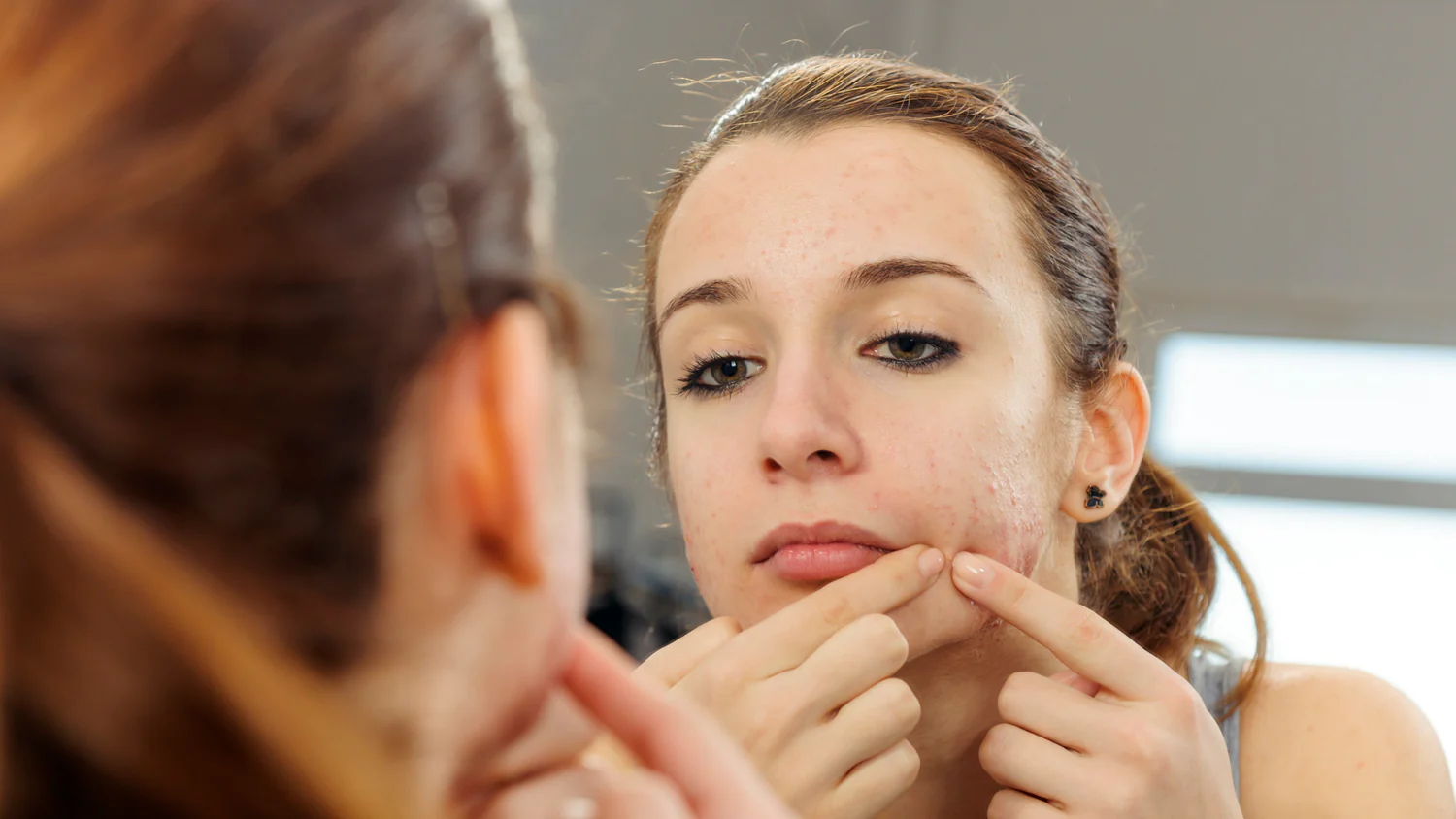
Skin Trauma: Picking, squeezing, or popping pimples can damage the skin and increase the likelihood of PIH.
Sun Exposure: UV rays can worsen PIH by stimulating further melanin production.
Types of Acne Scars (凹凸洞 and 暗瘡疤)
Acne scars, or 暗瘡疤, are permanent textural changes in the skin resulting from severe acne. These scars are more challenging to treat than acne marks.
There are several types of acne scars, including:
1. Atrophic Scars (凹凸洞):
Atrophic scars, known as 凹凸洞 in Chinese, are depressions or indentations in the skin. They occur when the skin loses collagen during the healing process.
There are three main types of atrophic scars:
Ice Pick Scars: These are deep, narrow, and pitted scars resembling small puncture wounds.
Boxcar Scars: Broad, rectangular depressions with well-defined edges.
Rolling Scars: These create a wavy texture on the skin due to their wide and shallow appearance.
2. Hypertrophic Scars and Keloids:
Hypertrophic scars and keloids are raised, thickened areas of skin formed due to excess collagen production. Hypertrophic scars remain within the boundaries of the original wound, while keloids extend beyond the initial injury site.
Treatment Options for Acne Marks (暗瘡印)
Treating acne marks involves reducing pigmentation and evening out skin tone.
Several treatments can help fade these marks over time:
1. Topical Treatments:
Hydroquinone: This skin-lightening agent reduces the appearance of dark spots by inhibiting melanin production.
Retinoids: Topical retinoids, such as tretinoin, promote cell turnover and help fade pigmentation.
Vitamin C: This antioxidant brightens the skin and reduces hyperpigmentation by inhibiting melanin synthesis.
2. Chemical Peels:
Chemical peels use acids, such as glycolic acid or salicylic acid, to exfoliate the skin’s top layer, promoting the growth of new, evenly pigmented skin. Regular treatments can significantly reduce the appearance of acne marks.
3. Microdermabrasion:
Microdermabrasion is a non-invasive procedure that uses a device to exfoliate the skin and remove dead skin cells. This treatment can help improve skin texture and fade pigmentation over time.
4. Laser Therapy:
Laser treatments, such as fractional laser or intense pulsed light (IPL), target pigmentation and stimulate collagen production, helping to fade acne marks and improve skin tone.
Treatment Options for Acne Scars (凹凸洞 and 暗瘡疤)
Treating acne scars, especially atrophic scars (凹凸洞) and hypertrophic scars (暗瘡疤), often requires more intensive procedures to resurface the skin and promote collagen production:
1. Microneedling:
Microneedling involves using fine needles to create micro-injuries in the skin, stimulating collagen and elastin production.
This process helps to fill in depressed scars and improve overall skin texture.
2. Dermal Fillers:
Dermal fillers, such as hyaluronic acid, can be injected into depressed scars to raise them to the level of the surrounding skin. This treatment provides immediate results but is temporary, requiring repeat sessions.
3. Laser Resurfacing:
Laser resurfacing uses high-energy light to remove the top layers of damaged skin and stimulate collagen production. Fractional CO2 lasers and erbium lasers are commonly used for treating atrophic scars.
4. Subcision:
Subcision is a minor surgical procedure where a needle is inserted under the scar to break up fibrous bands that tether the skin down. This allows the skin to lift and smooth out over time.
5. Chemical Peels:
Deeper chemical peels, such as TCA (trichloroacetic acid) peels, can help improve the appearance of atrophic scars by promoting skin regeneration and collagen production.
6. Radiofrequency (RF) Microneedling:
RF microneedling combines traditional microneedling with radiofrequency energy to further stimulate collagen production and improve skin texture. This treatment is effective for both atrophic and hypertrophic scars.
Prevention and Aftercare
Preventing acne scars and marks begins with proper acne management and skincare practices:
1. Avoid Picking and Squeezing:
Resist the urge to pick or squeeze pimples, as this can cause further inflammation and increase the risk of scarring.
2. Use Sunscreen:
Protect your skin from UV damage by applying a broad-spectrum sunscreen with at least SPF 30 daily. Sun exposure can worsen hyperpigmentation and delay the healing of scars.
3. Follow a Skincare Routine:
Maintain a consistent skincare routine that includes cleansing, exfoliating, and moisturizing to keep your skin healthy and reduce the risk of breakouts.
4. Consult a Dermatologist:
If you have severe acne or are concerned about scars and marks, consult a dermatologist for professional advice and treatment options.
Conclusion
Acne marks (暗瘡印) and scars (凹凸洞 and 暗瘡疤) can be challenging to deal with, but with the right treatments and skincare practices, you can achieve clearer, smoother skin. From topical treatments and chemical peels to advanced procedures like laser therapy and microneedling, there are various options available to address these skin concerns effectively.
For more information on acne scar treatments and to explore the best options for your skin, visit Retens.hk. By taking proactive steps and seeking professional advice, you can improve your skin’s appearance and regain confidence.