Defining Occupational Asbestos Lung Cancer
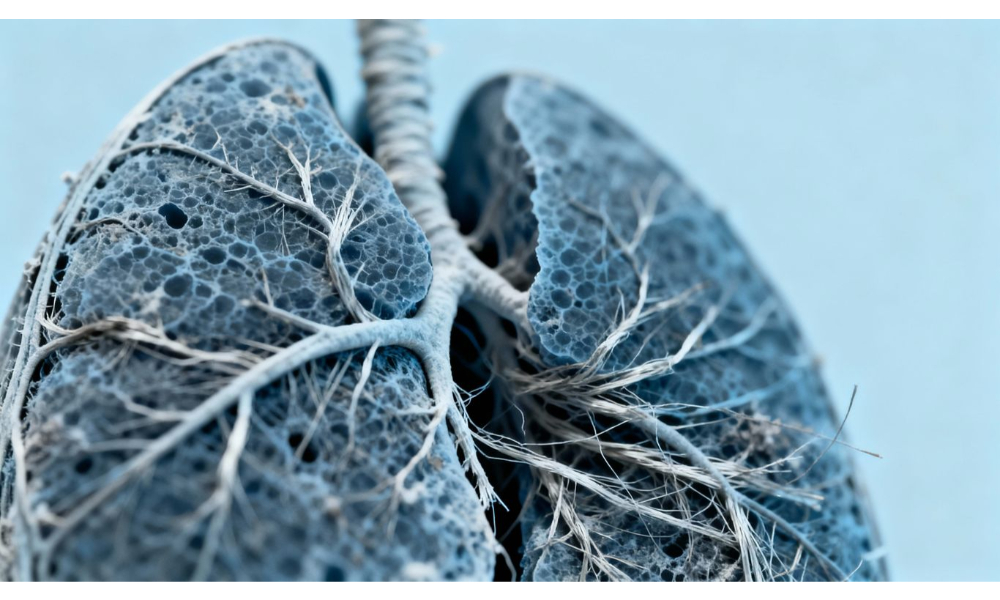
Occupational asbestos lung cancer refers to a specific type of malignancy that develops in the lungs due to prolonged exposure to asbestos fibers in the workplace. Asbestos, a naturally occurring mineral, was widely used in various industries for its heat-resistant and insulating properties. Workers in fields like construction, shipbuilding, mining, and manufacturing were often exposed to airborne asbestos dust. When these microscopic fibers are inhaled, they can become lodged deep within the lung tissue. Over time, this can trigger chronic inflammation and cellular damage, eventually leading to the development of cancerous tumors. This form of lung cancer is distinct because its primary cause is directly linked to a specific occupational hazard. While other factors can contribute to lung cancer, asbestos exposure is a recognized and significant risk factor for this particular disease [c3d7].
The Latent Period of Asbestos-Related Diseases
One of the most challenging aspects of asbestos-related diseases, including lung cancer, is their notoriously long latent period. This means that a considerable amount of time passes between the initial exposure to asbestos fibers and the appearance of symptoms or a diagnosis. Typically, this period can range from 20 to 60 years. This extended delay makes it difficult to connect current health issues with past workplace exposures, especially for individuals who have long since left the industry. The slow progression of the disease means that by the time symptoms become noticeable, the cancer may have advanced significantly. Understanding this latency is key for both diagnosis and for recognizing the long-term health implications of asbestos exposure [10cf].
Distinguishing Asbestos Lung Cancer from Other Cancers
It is important to differentiate asbestos lung cancer from other forms of lung cancer and asbestos-related conditions. While asbestos exposure is a known cause of lung cancer, it can also lead to other serious conditions like mesothelioma (a cancer of the lining of the lungs, abdomen, or heart) and asbestosis (a non-cancerous scarring of the lungs). Asbestos lung cancer shares many symptoms with lung cancer caused by other factors, such as smoking. However, the underlying cause is different. Medical professionals rely on a detailed occupational history, diagnostic imaging, and often a biopsy to confirm the diagnosis and determine if asbestos exposure played a role. The presence of asbestos bodies in lung tissue can sometimes be an indicator, though not always definitive. Distinguishing the cause is vital for appropriate treatment planning and for understanding the prognosis.
Exposure Pathways and Risk Factors
Understanding how asbestos exposure happens is key to grasping the risks of asbestos-related lung cancer. It’s not just about being around asbestos; it’s about how those tiny fibers get into the lungs and what makes the danger worse.
Industries with High Asbestos Exposure
Historically, certain jobs put workers in direct contact with asbestos. Think about the construction and shipbuilding industries, especially before regulations tightened up. Workers involved in insulation, roofing, and brake repair were also at a higher risk. Even today, in some parts of the world, asbestos is still used, meaning exposure can still occur in these fields.
- Construction and Demolition: Disturbing old buildings with asbestos materials.
- Manufacturing: Producing asbestos-containing products.
- Maintenance and Repair: Working on older machinery or structures.
Routes of Asbestos Fiber Inhalation
The primary way asbestos causes lung problems is through inhalation. When asbestos-containing materials are disturbed, microscopic fibers become airborne. These fibers are so small they can be easily breathed in. Once inside the lungs, they can lodge in the lung tissue, leading to inflammation and damage over time. The longer and more intense the exposure, the greater the risk.
Synergistic Effects with Smoking
Smoking is already bad for your lungs, but when combined with asbestos exposure, the danger skyrockets. It’s not just additive; it’s multiplicative. The chemicals in cigarette smoke can damage the lung’s natural defense mechanisms, making it harder for the body to clear out asbestos fibers. This combination significantly increases the likelihood of developing lung cancer, and often at an earlier age, compared to individuals exposed to asbestos alone or who smoke alone.
Recognizing the Symptoms of Asbestos Lung Cancer
Asbestos-related lung cancer often takes a long time to show itself, sometimes decades after exposure. This makes it tricky to connect the dots. Because the symptoms can mimic other lung problems, it’s important to be aware of what to look for, especially if you’ve worked in jobs where asbestos was common.
Early Warning Signs and Persistent Cough
A cough that just won’t quit is frequently one of the first signs people notice. It might start dry, but it can develop into a cough that brings up phlegm or even blood. This persistent cough, especially if it’s a new development for you, warrants a doctor’s visit. It’s easy to dismiss a cough as just a cold or allergies, but when it lingers for weeks or months, it’s time to pay closer attention.
Shortness of Breath and Chest Pain
Many people with asbestos lung cancer experience difficulty breathing. This might feel like being winded easily, even with simple activities. You might also feel a tightness or pain in your chest, which can get worse when you breathe deeply or cough. This discomfort can be a significant indicator that something is wrong with your lungs.
Unexplained Weight Loss and Fatigue
Another common set of symptoms includes losing weight without trying and feeling unusually tired all the time. If your appetite has decreased and you’re shedding pounds, and you’re also feeling drained and lacking energy, these could be signs your body is fighting a serious illness. These general feelings of being unwell, combined with specific lung symptoms, should prompt a medical evaluation.
Diagnostic Procedures for Asbestos Lung Cancer
Figuring out if someone has asbestos-related lung cancer involves a few steps. It’s not usually a quick diagnosis, and doctors need to gather a lot of information. They start by talking to the patient and doing a physical check.
Medical History and Physical Examination
This is where it all begins. A doctor will ask detailed questions about your work history, especially if you’ve ever been around asbestos. They’ll want to know about any past symptoms you’ve experienced, even if they seemed minor at the time. This part is really important because asbestos exposure often happened a long time ago. They’ll also do a physical exam, listening to your lungs and checking for any unusual signs. This thorough history taking is key to identifying potential asbestos exposure.
Imaging Techniques: X-rays and CT Scans
Once the initial assessment is done, imaging tests are usually next. A standard chest X-ray can sometimes show abnormalities in the lungs, like fluid buildup or masses. However, X-rays aren’t always detailed enough to spot early signs. That’s where a CT scan, or computed tomography scan, comes in. CT scans provide much clearer, cross-sectional images of the lungs. They can detect smaller tumors, changes in lung tissue, and other issues that an X-ray might miss. These scans help doctors get a better look at what’s going on inside.
Biopsy and Pathological Confirmation
To be absolutely sure about a diagnosis of asbestos lung cancer, a biopsy is often necessary. This involves taking a small sample of lung tissue. The sample can be collected in a few ways:
- Bronchoscopy: A thin, flexible tube with a camera is inserted into the airways to visualize and take samples.
- Needle Biopsy: A needle is used to extract tissue through the chest wall.
- Surgical Biopsy: In some cases, a small surgical procedure might be needed to get a larger tissue sample.
This tissue is then examined under a microscope by a pathologist. They look for specific cell types and markers that confirm the presence of cancer and can sometimes indicate its origin. This pathological confirmation is the definitive step in diagnosing asbestos lung cancer.
Treatment Modalities for Occupational Lung Cancer
Surgical Interventions and Their Applicability
When occupational lung cancer is diagnosed, especially if it’s caught early, surgery might be an option. The goal is to remove the cancerous tumor. Doctors look at a few things to decide if surgery is the right path. This includes how far the cancer has spread and the patient’s overall health. For some, surgery can be quite effective, but it’s not always possible. Sometimes, the cancer might be too widespread, or the patient might have other health issues that make surgery risky. It really depends on the individual case and what the medical team thinks is best.
Chemotherapy and Radiation Therapy Options
If surgery isn’t feasible or as a follow-up treatment, chemotherapy and radiation therapy are common choices. Chemotherapy uses drugs to kill cancer cells throughout the body. Radiation therapy uses high-energy rays to target and destroy cancer cells in a specific area. These treatments can be used alone or together. They can help shrink tumors, slow cancer growth, and relieve symptoms. The specific drugs and radiation doses are tailored to the patient’s situation. It’s a tough process, and side effects are common, but doctors work to manage them.
Palliative Care and Symptom Management
Palliative care is a really important part of treating asbestos-related lung cancer, no matter the stage. It’s not just about curing the disease; it’s about making life better for the patient. This means focusing on managing symptoms like pain, shortness of breath, and fatigue. The aim is to improve quality of life for both the patient and their family. Palliative care teams work closely with patients to understand their needs and provide support. This can include pain relief, nutritional advice, and emotional support. It’s about comfort and dignity. For those dealing with the effects of asbestos exposure, understanding common mesothelioma treatment options is key to making informed decisions about care.
Preventing Occupational Asbestos Lung Cancer
Preventing asbestos-related lung cancer in the workplace is a multifaceted effort that requires a combination of regulatory oversight, diligent safety practices, and worker education. Given the serious health consequences of asbestos exposure, taking proactive steps is paramount. The most effective way to prevent asbestos lung cancer is to avoid exposure altogether.
Regulatory Measures and Workplace Safety
Government agencies and regulatory bodies play a significant role in setting standards for asbestos handling and abatement. These regulations often dictate how asbestos-containing materials must be managed, removed, and disposed of. Compliance with these rules is not optional; it’s a legal and ethical obligation for employers. This includes:
- Establishing clear protocols for identifying and managing asbestos in buildings and workplaces.
- Implementing strict procedures for asbestos removal and renovation projects.
- Regularly monitoring air quality in environments where asbestos may be present.
These measures aim to minimize the release of asbestos fibers into the air, thereby reducing the risk of inhalation for workers and the public. The significant public health burden associated with asbestos in the workplace underscores the importance of these regulations occupational asbestos exposure was responsible for 9.4% of lung cancer deaths.
Personal Protective Equipment and Practices
When exposure to asbestos cannot be entirely eliminated, personal protective equipment (PPE) becomes a critical line of defense. This equipment is designed to create a barrier between the worker and the hazardous material. Key components of PPE for asbestos work include:
- Respirators: High-efficiency particulate air (HEPA) filter respirators are essential for filtering out microscopic asbestos fibers. Proper fit-testing and maintenance of respirators are vital for their effectiveness.
- Protective Clothing: Disposable coveralls, gloves, and boot covers prevent asbestos fibers from contaminating personal clothing and skin. These items should be removed carefully at the worksite and disposed of properly.
- Eye Protection: Goggles or safety glasses help prevent fibers from entering the eyes.
Beyond PPE, safe work practices are equally important. This involves minimizing dust generation, wetting down materials where appropriate, and maintaining a clean work area. Wet methods, for instance, can significantly reduce the amount of airborne asbestos during demolition or renovation.
Awareness and Training for At-Risk Workers
Knowledge is a powerful tool in preventing asbestos-related diseases. Workers who may be exposed to asbestos, whether directly or indirectly, need comprehensive training. This training should cover:
- The health risks associated with asbestos exposure, including lung cancer and mesothelioma.
- How to identify potential asbestos-containing materials.
- The correct use and limitations of PPE.
- Emergency procedures in case of accidental release.
- The importance of reporting any concerns or potential exposures to supervisors.
Regular refresher courses and open communication channels are necessary to keep workers informed and vigilant. Educating workers about the long-term health implications of even low-level exposure can foster a culture of safety and encourage adherence to protective measures.
More Information