A Modern Option for Chronic Back Pain Relief
Chronic back pain can make even simple daily tasks feel overwhelming. For many people, the fear of needing back surgery adds another layer of stress and uncertainty. While surgery is sometimes necessary, it is not the only path to relief. Non surgical spinal decompression therapy offers a conservative and patient friendly option that focuses on addressing the root cause of certain spinal problems without incisions, injections, or long recovery times.
This advanced therapy uses controlled, gentle stretching of the spine to reduce pressure on spinal discs and nerves. It is designed for people dealing with conditions such as herniated discs, bulging discs, degenerative disc issues, and sciatica. By creating space within the spine, decompression therapy may help the body heal naturally and reduce painful symptoms that interfere with everyday life.
What Is Non Surgical Spinal Decompression
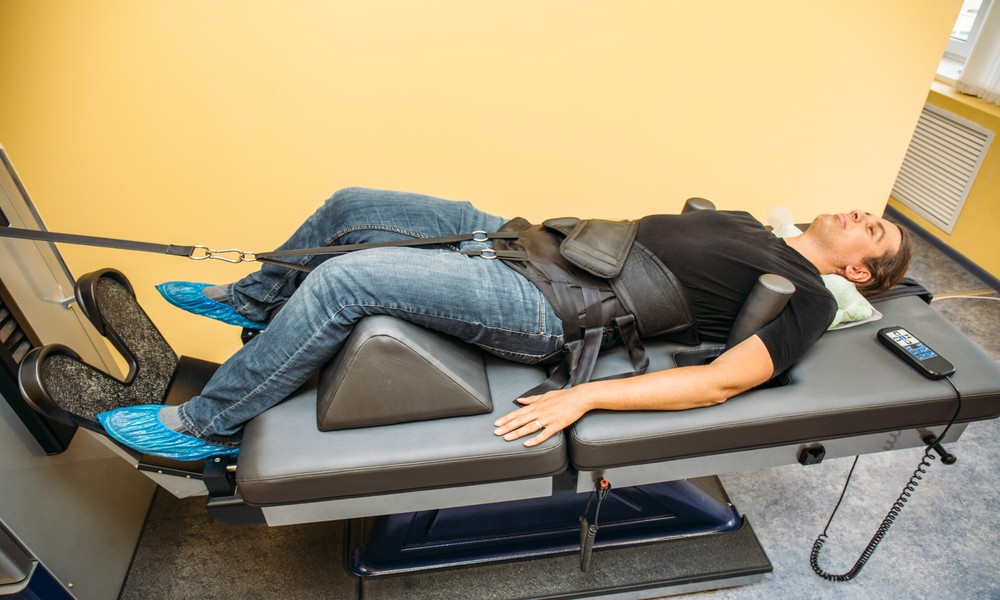
Non surgical spinal decompression is a specialized treatment that uses a computer guided table to carefully stretch and relax the spine. During a session, the patient lies comfortably on the table while a harness system supports the lower body. The device then applies precise cycles of gentle traction and relaxation.
This process creates negative pressure within the affected spinal discs. That pressure change may help draw bulging or herniated disc material away from nearby nerves. It can also encourage the movement of oxygen, water, and nutrient rich fluids back into the discs, which supports the body’s natural healing process.
Unlike general traction, modern decompression systems are highly controlled and customized. The treatment is designed to target specific spinal levels based on each patient’s condition and symptoms.
Understanding the DRX9000 Technique
One of the most recognized systems used for non surgical spinal decompression is the DRX9000. This technology is designed to provide smooth, consistent decompression while keeping the patient relaxed and supported. The system uses advanced programming to adjust the angle and force of the stretch according to the area of the spine being treated.
Patients often describe the sensation as a gentle pulling or stretching in the lower back. Most sessions last around thirty minutes, and many people use the time to rest or listen to music. Because the treatment is non invasive, there is no downtime afterward. Patients can typically return to their normal daily activities the same day.
The DRX9000 is often used as part of a broader care plan that may include chiropractic adjustments, therapeutic exercises, and lifestyle guidance. This combined approach helps support long term spinal stability rather than just short term symptom relief.
Who Can Benefit Most From Spinal Decompression
Non surgical spinal decompression is commonly recommended for individuals with herniated or bulging discs that are pressing on nearby nerves. These disc issues can lead to symptoms such as sharp lower back pain, leg pain, numbness, or tingling that travels down the leg, often referred to as sciatica.
People with degenerative disc changes may also benefit. As discs lose height and hydration over time, they can create stiffness and discomfort. Decompression therapy aims to reduce stress on these worn discs and improve the environment for healing.
This treatment can also be helpful for those who have not found lasting relief from rest, medication, or basic physical therapy. For patients hoping to avoid injections or surgery, decompression offers a conservative step that focuses on supporting the body’s natural repair processes.
The Role of Chiropractors in Personalized Care
Chiropractors play an important role in determining whether spinal decompression is appropriate for a specific patient. A thorough evaluation typically includes a review of medical history, physical examination, and imaging when needed. This helps identify the exact source of pain and rule out conditions that may require a different type of care.
Once decompression therapy is recommended, the chiropractor develops a customized treatment plan. This plan often includes a series of decompression sessions scheduled over several weeks. In addition, gentle chiropractic adjustments may be used to improve joint mobility and alignment, which can help the spine respond better to decompression.
Patients are also guided through exercises and posture strategies that support spinal health between visits. This whole person approach is designed to improve stability, reduce the chance of re injury, and promote long term comfort.
Clinics like Draper Spinal Care provide comprehensive evaluations and personalized decompression programs tailored to each patient’s needs and goals.
A Non Invasive Path Toward Relief
Facing the possibility of back surgery can feel intimidating, especially when recovery time and potential risks are considered. Non surgical spinal decompression offers a different path, one that focuses on gentle technology, careful planning, and natural healing.
By reducing pressure on discs and nerves, this therapy may help decrease pain, improve mobility, and support a more active lifestyle. For many people with disc related back pain or sciatica, spinal decompression represents a hopeful and practical option before considering more invasive procedures.