Hearing loss is one of the most common chronic conditions affecting older adults. As people age, the delicate structures of the inner ear gradually deteriorate, leading to difficulty understanding speech, especially in noisy environments. This sensory decline can profoundly impact communication, social participation, emotional well-being, and cognitive health. Untreated hearing loss has been linked to isolation, depression, and even accelerated cognitive decline.
For seniors with severe to deep hearing impairment who no longer benefit from conventional hearing aids, cochlear implant surgery offers a transformative solution. Unlike hearing aids, which amplify sound, cochlear implants bypass damaged portions of the ear and directly stimulate the auditory nerve, enabling the brain to perceive sound signals more clearly.
Families often seek care at specialized centers, such as a reputed best ENT hospital in Vadodara, where multidisciplinary teams evaluate candidates thoroughly and provide comprehensive preoperative and postoperative support. Choosing experienced providers is especially important for older patients who may have additional medical considerations.
What Is a Cochlear Implant and How Does It Work?
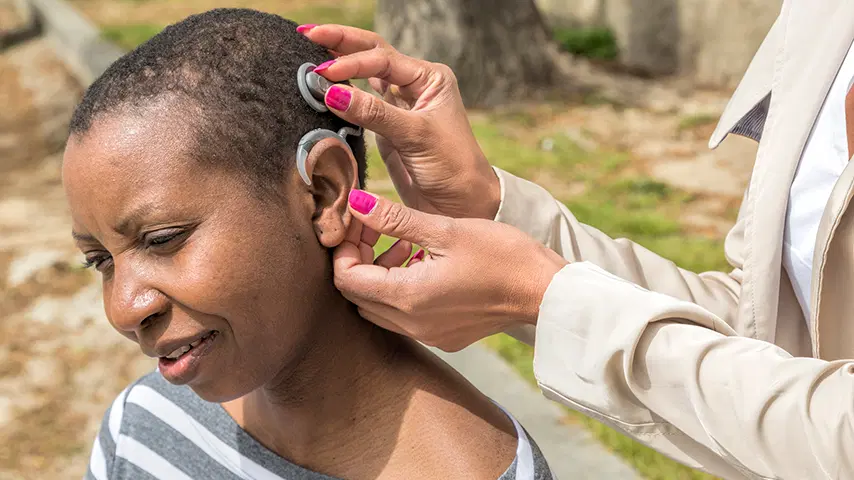
A cochlear implant is an electronic medical device that directly stimulates the auditory nerve to restore hearing. It consists of two main components: an external processor worn behind the ear and an internal implant placed surgically under the skin.
The external component captures sound, converts it to digital signals, and transmits them to the internal device. The implanted electrode array then stimulates the auditory nerve, sending impulses to the brain where they are interpreted as sound.
Unlike hearing aids, cochlear implants do not rely on residual hearing. This makes them particularly effective for individuals with severe sensorineural hearing loss, where traditional amplification provides little benefit.
Is the Procedure Safe for Older Adults?
Safety is a primary concern when considering surgery for seniors. Fortunately, advances in surgical techniques, anesthesia, and perioperative care have made cochlear implantation a relatively low-risk procedure, even for older patients.
Most surgeries are performed under general anesthesia and typically last two to three hours. Preoperative evaluation includes comprehensive medical assessments to ensure patients can safely tolerate anesthesia and the procedure.
Studies have consistently shown that age alone is not a contraindication. Many individuals in their seventies, eighties, and even nineties have undergone successful implantation with minimal complications.
Potential risks, such as infection, dizziness, or device malfunction, are uncommon and generally manageable when treated promptly.
Effectiveness: Do Seniors Benefit as Much as Younger Patients?
One of the most encouraging findings in modern audiology is that seniors often experience significant improvements in hearing and communication following implantation. While adaptation may be slightly slower compared to younger individuals, long-term outcomes are highly positive.
Most recipients report:
- Improved speech understanding
- Greater ability to communicate without lip-reading
- Enhanced participation in social activities
- Reduced listening fatigue
- Increased independence
Significantly, improved hearing can also contribute to cognitive health. Restoring auditory input may help maintain mental sharpness by stimulating brain activity and reducing social isolation.
The Evaluation Process Before Surgery
Not every individual with hearing loss is a suitable candidate. A thorough evaluation ensures that implantation will provide meaningful benefit.
The assessment typically includes audiological tests to determine hearing levels, speech recognition ability, and hearing aid performance. Imaging studies, such as CT scans or MRI, evaluate the anatomy of the inner ear and auditory nerve.
Medical history is carefully reviewed, particularly for conditions such as cardiovascular disease, diabetes, and cognitive impairment. Psychological readiness and motivation are also considered, as rehabilitation requires active participation.
Family involvement is often encouraged, as support during recovery and adjustment plays a crucial role in success.
Recovery and Rehabilitation
Recovery from the surgical procedure itself is usually straightforward. Most patients return home within one or two days and resume normal activities within a few weeks. Mild discomfort, swelling, or temporary dizziness may occur but typically resolve quickly.
The implant is not activated immediately. After a healing period of about 2 to 4 weeks, the external processor is fitted and programmed during an appointment called “activation.”
Rehabilitation is essential, especially for seniors who may have lived with hearing loss for many years. The brain must relearn how to interpret new auditory signals. Audiologists adjust device settings over time to optimize performance.
Listening therapy, practice conversations, and exposure to different sound environments help accelerate adaptation.
Challenges Unique to Senior Patients
While outcomes are generally excellent, older adults may face specific challenges. Age-related factors such as reduced manual dexterity, vision problems, or cognitive decline can affect device handling and adjustment.
Some individuals may initially find electronic sounds unfamiliar or overwhelming. Patience and consistent use are key to success. Caregivers often assist with device maintenance, battery replacement, and troubleshooting.
Despite these challenges, most seniors adapt well and report substantial improvements in quality of life.
Impact on Emotional and Social Well-Being
Restoring hearing goes far beyond improving sound perception. Many seniors experience renewed confidence, stronger relationships, and increased engagement in daily life after implantation.
Communication barriers often lead to withdrawal from social situations. By enabling more explicit conversations, the implants help individuals reconnect with family, friends, and community activities.
Improved hearing also enhances safety, allowing seniors to detect alarms, traffic sounds, and emergency signals. This contributes to greater independence and peace of mind for both patients and caregivers.
Cost Considerations and Accessibility
Implantation involves high costs, including surgery, device components, and rehabilitation services. However, many healthcare systems and insurance providers cover the procedure partially or entirely, recognizing its substantial benefits.
Financial counseling and assistance programs may be available to help families navigate coverage options. Long-term value is often high, as improved communication reduces reliance on caregiving and enhances overall well-being.
Technological Advances Improving Outcomes
Modern implant systems are far more sophisticated than earlier models. Features such as noise reduction, directional microphones, wireless connectivity, and smartphone integration enhance usability and sound quality.
Rechargeable batteries reduce maintenance demands, while waterproof accessories allow participation in activities such as swimming or exercise.
Continuous innovation ensures that recipients can upgrade external components over time without additional surgery, maintaining access to the latest technology.
A New Lease on Hearing in Later Life
Cochlear implantation represents one of the most remarkable medical advances in restoring sensory function. For seniors with severe hearing loss, it offers an opportunity to regain meaningful communication, independence, and engagement with the world.
Safety data, clinical experience, and patient testimonials consistently demonstrate that age alone should not prevent consideration of this life-changing intervention. With careful evaluation, skilled surgical care, and dedicated rehabilitation, older adults can achieve outcomes comparable to younger recipients.
Ultimately, cochlear implant surgery is not just about hearing sounds again; it is about reconnecting with life’s conversations, relationships, and experiences. For many seniors, it opens the door to a richer, more connected future where silence no longer defines their world.