Shingles can be painful, disruptive, and difficult to ignore once symptoms appear. It often begins with tingling, burning, or sensitivity on one side of the body, followed by a rash that may develop into fluid-filled blisters. While many people recover, some experience lingering nerve pain that can affect sleep, work, movement, and daily comfort.
For adults who want to take a proactive approach to health, vaccination is one of the most practical ways to help lower the risk of shingles and its possible complications. Understanding how the zoster vaccine works can help you make a more informed decision before speaking with a healthcare provider.
What Is Shingles?
Shingles is caused by the varicella-zoster virus, the same virus responsible for chickenpox. After a person recovers from chickenpox, the virus does not completely leave the body. Instead, it remains inactive in the nerves and may reactivate later in life.
This reactivation is more common among older adults and people with weaker immune defenses. Stress, aging, certain illnesses, or medical treatments may also affect immune response, making prevention an important part of adult healthcare planning.
Why Vaccination Matters for Adults
Vaccination helps the immune system recognize and respond to the virus more effectively. While no vaccine can guarantee complete protection, getting vaccinated may help reduce the likelihood of developing shingles. It may also help lower the risk of severe symptoms and long-lasting nerve pain if shingles still occurs.
For many adults, the value of vaccination goes beyond avoiding discomfort. Shingles can interrupt work, family responsibilities, travel plans, and personal routines. By taking preventive steps early, adults can better protect their health and reduce the chance of dealing with avoidable complications.
How the Vaccine Helps Lower Shingles Risk
The vaccine works by strengthening the body’s immune response against the varicella-zoster virus. As people age, natural immunity can weaken, giving the virus a chance to reactivate. Vaccination helps reinforce that defense.
When discussing adult immunization options with a doctor, many patients ask about the shingles vaccine philippines because availability, recommended timing, and suitability may vary depending on personal health history. A medical consultation helps determine whether the vaccine is appropriate based on age, immune condition, medications, and previous vaccination records.
Who Should Consider Getting Vaccinated?
Adults, especially those in higher age groups, may benefit from asking their doctor about shingles prevention. People who have had chickenpox in the past may still be at risk because the virus can remain dormant in the body for years.
Those with ongoing health conditions or who are taking medications that affect immunity should speak with a healthcare professional before vaccination. A doctor can explain possible precautions, expected side effects, and the right schedule based on individual needs.
What to Expect Before and After Vaccination
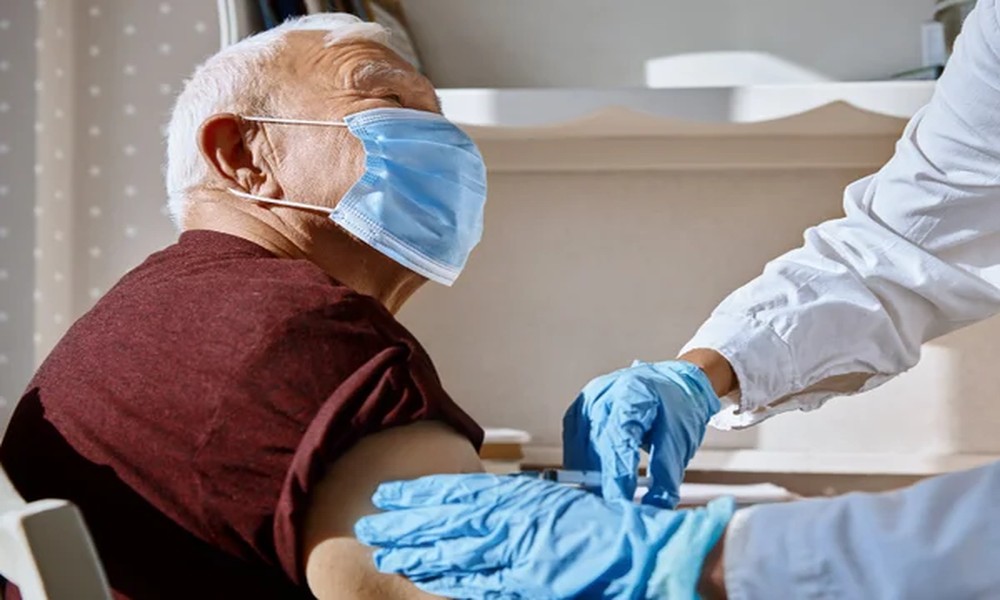
Before getting vaccinated, a healthcare provider may review your medical history, current medications, allergies, and previous vaccine reactions. This step helps ensure that vaccination is suitable and safe for your situation.
After vaccination, some people may experience mild side effects such as soreness at the injection site, fatigue, headache, or muscle discomfort. These reactions are usually temporary and may be part of the body’s normal immune response. However, any unusual or severe reaction should be reported to a healthcare professional immediately.
Why Doctor Guidance Is Important
Although online information can help adults understand the basics, a doctor’s advice remains essential. Every patient has different health needs, and vaccination decisions should be based on proper medical assessment.
When searching for information about the zoster vaccine philippines, it is best to focus on trusted healthcare providers and licensed medical platforms that can connect you with qualified professionals. This ensures that you receive guidance that matches your age, health profile, and prevention goals.
Taking a Preventive Approach to Shingles
Shingles prevention is part of responsible adult healthcare. Along with vaccination, maintaining a healthy lifestyle, managing stress, getting enough rest, and addressing existing health concerns may support better immune function.
Being proactive is especially important because shingles can appear unexpectedly. Instead of waiting for symptoms to develop, adults can speak with a doctor early and ask whether vaccination should be part of their health plan.
A Smarter Step Toward Long-Term Protection
The zoster vaccine offers adults a practical way to help lower shingles risk and reduce the chance of painful complications. By learning how vaccination works and consulting a healthcare professional, you can make a confident, well-informed decision about your preventive care.
For adults in the Philippines, the best next step is to book a consultation with a licensed doctor who can assess your health status, answer your questions, and guide you on the most appropriate vaccination plan.