Glaucoma is often called the “silent thief of sight” because most people notice nothing until a good deal of peripheral vision has already gone. If you have just been told your eye pressure is high, or a relative has been diagnosed, the questions are usually the same: what kind of glaucoma is it, how is it treated, and should you stay with the NHS or see someone privately?
What glaucoma actually is
Glaucoma is a group of conditions in which the optic nerve, the cable carrying images from the eye to the brain, is gradually damaged. Raised pressure inside the eye is the main risk factor, although some people develop glaucoma with pressures in the normal range. Damage is permanent, so treatment aims to protect the sight you still have rather than restore what has been lost.
The main types seen in UK clinics are:
- Primary open-angle glaucoma – the most common form, developing slowly over years with no pain.
- Angle-closure glaucoma – the drainage angle narrows or blocks. The acute form causes sudden pain, blurred vision, a red eye, headache and nausea, and is an emergency.
- Normal-tension glaucoma – nerve damage despite pressure readings within the usual range.
- Secondary glaucoma – caused by another problem such as injury, inflammation, diabetes-related changes or long-term steroid use.
- Ocular hypertension – raised pressure without nerve damage yet, which still needs monitoring and sometimes treatment.
Who is most at risk?
You are more likely to develop glaucoma if you are over 40, have a parent or sibling with the condition, are of African-Caribbean or East Asian ancestry, are very short-sighted or long-sighted, have diabetes, or have used steroid medicines for a long time. In England and Wales, people aged 40 or over with a close relative who has glaucoma qualify for a free NHS sight test, which is the simplest way to be checked.
How glaucoma is found
Most cases are picked up at a routine eye examination by a GOC-registered optometrist. A full check usually includes an eye pressure reading, a look at the optic nerve, a visual field test and, increasingly, an OCT scan that images the nerve fibre layer. If anything looks suspicious, the optometrist refers you to a hospital eye service or you can arrange a private consultation. A clinic such as AccuVision explains the link between raised pressure and nerve damage in its overview of glaucoma treatment uk patients are commonly offered.
The three main treatment routes
1. Eye drops
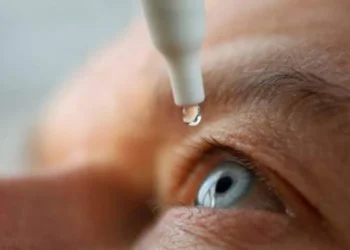
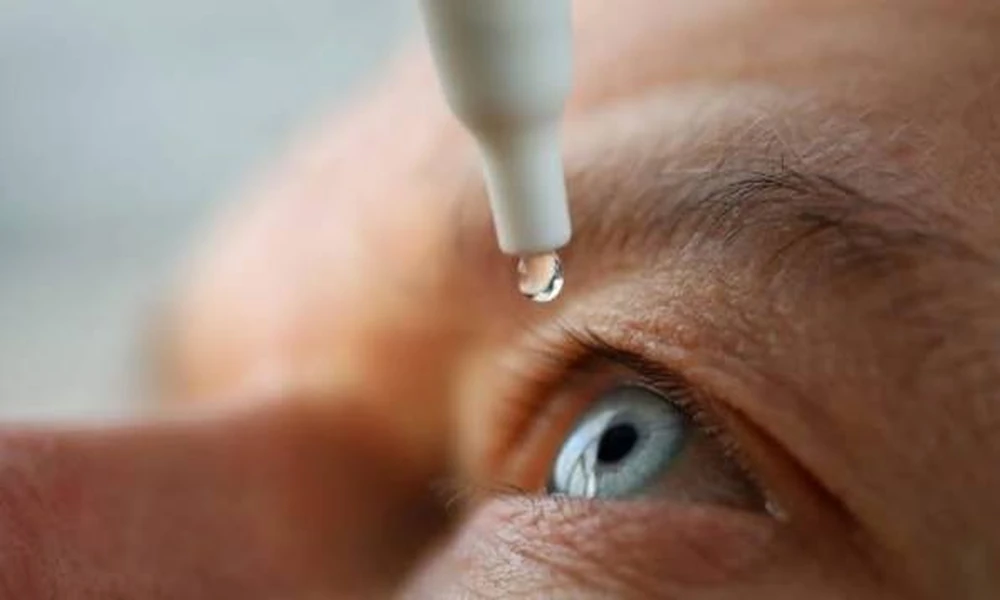
Pressure-lowering drops remain the backbone of care. Prostaglandin analogues (such as latanoprost) are usually tried first, with beta-blockers, carbonic anhydrase inhibitors and alpha agonists as alternatives or add-ons. Drops only work if they are used every day, which is where many people struggle; missed doses are one of the commonest reasons glaucoma progresses despite treatment.
2. Laser
Selective laser trabeculoplasty (SLT) uses a gentle laser to improve drainage through the eye’s natural outflow channel. NICE guidance now recommends SLT as a first-line option for newly diagnosed open-angle glaucoma and ocular hypertension, so it may be offered before drops rather than after. The procedure takes a few minutes in an outpatient clinic, and its effect can be repeated if it wears off. AccuVision describes how glaucoma laser treatment fits alongside drops in its own blog. For angle-closure, a different procedure, laser iridotomy, creates a tiny opening in the iris to relieve the blockage.
3. Surgery
When drops and laser cannot control pressure, a surgeon may suggest trabeculectomy (creating a new drainage channel), a drainage tube implant, or one of the newer minimally invasive glaucoma surgeries (MIGS) often combined with cataract surgery. Surgery carries more risk than drops or laser, so it is normally reserved for progressing disease.
NHS or private: how the pathways differ
| NHS | Private | |
|---|---|---|
| Referral | Via optometrist or GP | Self-referral possible |
| Cost | Free at point of use; prescription charges may apply in England | Consultation and procedures paid for |
| Waiting | Varies by region; follow-ups can be delayed | Usually days to weeks |
| Choice | Treatment per local protocol | More say in timing and surgeon |
The NHS provides excellent glaucoma care, and for an emergency such as acute angle-closure you should go straight to A&E or an eye casualty unit. Where private care can help is speed: getting a first consultation quickly, having SLT or surgery without a long wait, and keeping monitoring appointments on schedule. Approximate private costs in the UK are roughly £150-£300 for a consultation and around £500-£1,500 per eye for SLT, with surgery considerably more. These are indicative only; prices vary by city, clinic and complexity, and the exact figure will come from the treating consultant. If you are weighing up glaucoma treatment uk clinics offer privately, check that the clinic is CQC-registered and that the consultant is on the GMC specialist register.
Living with glaucoma: monitoring matters
Because treatment is lifelong, monitoring is as important as the first prescription. Expect visual field tests and pressure checks every few months initially, then typically once or twice a year once stable. Keep a note of your drop schedule, tell any doctor about your glaucoma before starting steroids, and encourage relatives over 40 to have a specialist eye examination or routine sight test.
When to seek urgent help
Go to A&E or call 111 immediately if you develop sudden severe eye pain, a red eye with blurred vision, halos around lights, headache or vomiting. These can signal acute angle-closure, where hours matter. For general questions about pressure readings, drops or whether glaucoma is affecting the whole family, speak to your optometrist or GP first.
Disclaimer: This article is for general information only and is not a substitute for medical advice. Please consult a qualified ophthalmologist or optometrist about your eye pressure, diagnosis and treatment.