Missing teeth affect far more than appearance; they also influence how clearly you speak, how efficiently you chew, and how confidently you enjoy everyday life. Many people don’t realize how interconnected teeth are with essential oral functions until gaps begin interfering with pronunciation or mealtime comfort. Fortunately, modern restorative dentistry offers solutions that not only replace missing teeth but also restore natural function with remarkable precision.
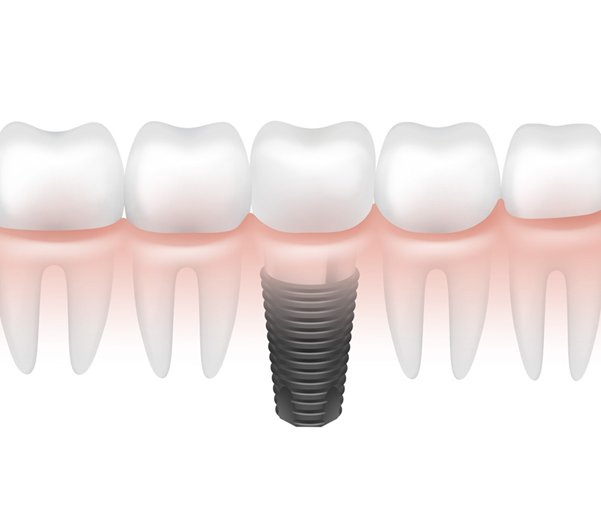
Among the most effective options available today are dental implants, which mimic natural tooth structure and provide unmatched stability, durability, and performance.
Patients looking for a long-term, functional solution often consult a dentist in Lake Mary FL, to determine whether implants can improve their chewing efficiency, speech quality, and overall oral health.
Why Missing Teeth Affect Speech
Speech is a complex process that relies on coordinated movements of the tongue, lips, palate, and teeth. Certain sounds require the tongue to press against teeth or pass between them. When teeth are missing, especially front teeth, articulation becomes noticeably difficult.
Common speech challenges caused by missing teeth include:
- Slurred or unclear pronunciation
- Whistling sounds
- Difficulty producing consonants like S, F, TH, and V
- Changes in tone due to airflow disruption
Even one missing tooth can alter speech rhythms, making everyday conversation challenging and sometimes embarrassing.
How Dental Implants Improve Speech
Implants act as replacement roots, providing a stable foundation for prosthetic teeth that look, feel, and function naturally. This stability is what makes implants ideal for addressing speech-related challenges.
Ways implants restore clear speech:
Proper support for the tongue
The tongue relies on teeth for positioning when forming sounds. Implants fill gaps, restoring correct tongue placement for improved articulation.
No slipping or shifting
Unlike dentures, implants stay firmly in place, eliminating slurring or clicking noises.
Improved airflow
Correctly positioned implants ensure that air moves properly through the mouth, reducing whistling and speech distortion.
Natural tooth shape and spacing
The implant crown is custom-designed to match your natural teeth, helping restore normal sound production.
Clearer speech contributes significantly to overall confidence, social comfort, and professional communication.
The Importance of Chewing Efficiency
Chewing is not just a mechanical action; it’s the first step in digestion. The mouth breaks down food, mixes it with saliva, and prepares it for the stomach. Missing teeth disrupt this process and force other teeth to overwork.
Problems associated with impaired chewing include:
- Reduced ability to grind food
- Digestive discomfort
- Nutritional deficiencies
- Strain on remaining teeth
- Avoidance of certain foods
Over time, these challenges can negatively impact overall health and well-being.
How Dental Implants Restore Chewing Function
Implants closely mimic the strength and stability of natural teeth, making them one of the best solutions for restoring chewing ability.
Here’s how implants improve chewing:
Natural biting force
Implants integrate with the jawbone, allowing them to withstand significant chewing pressure. This helps you eat comfortably without worrying about shifting or discomfort.
Even distribution of jaw pressure
Implants prevent excessive force on surrounding teeth, reducing wear and balancing overall jaw function.
Ability to enjoy a wider variety of foods
With implants, patients can return to eating crunchy, chewy, or fibrous foods that may have been avoided due to discomfort.
Protection of gum tissue
By replacing the missing tooth, implants prevent food from irritating empty spaces, reducing inflammation and improving comfort.
Chewing becomes more effective, enjoyable, and natural, supporting better digestion and quality of life.
Implants Stabilize the Jawbone to Support Function
When a tooth is lost, the jawbone begins to deteriorate due to a lack of stimulation. This bone loss can alter facial shape, weaken bite force, and contribute to misalignment.
Implants help prevent bone loss by:
- Stimulating the bone through chewing pressure
- Preserving jaw structure and density
- Preventing facial sagging or sunken appearance
- Maintaining long-term oral strength
A stable jawbone not only supports chewing and speech but also helps protect remaining teeth from shifting.
Preventing Tooth Shifting and Misalignment
A missing tooth leaves an open space, allowing surrounding teeth to drift or tilt over time. This misalignment can cause bite problems, jaw pain, and increased wear on remaining teeth.
Implants prevent shifting by:
- Filling gaps with a stable replacement
- Supporting proper alignment
- Maintaining natural spacing in the arch
- Reducing the risk of future orthodontic issues
Keeping the teeth aligned ensures smoother speech, stronger chewing, and a healthier bite.
Implants vs. Dentures: A Functional Comparison
While dentures can replace missing teeth, they often fall short in terms of stability and natural function.
Key differences include:
Speech Quality
Dentures may slip or cause clicking noises; implants provide unwavering stability.
Chewing Efficiency
Dentures rely on suction, which limits bite force; implants function like real teeth.
Comfort
Dentures may cause sore spots; implants integrate into the bone for long-term comfort.
Longevity
Dentures wear down or loosen over time; implants offer decades of predictable function.
For individuals seeking the closest possible replacement to natural teeth, implants remain the superior option.
Improved Confidence in Daily Activities
Speech difficulties and chewing problems can significantly impact emotional well-being. Many people avoid social gatherings, public speaking, or dining with others due to fear of embarrassment.
Implants help build confidence by:
- Restoring clear speech
- Enabling comfortable eating in social settings
- Providing a stable and attractive smile
- Eliminating concerns about shifting teeth or dentures
This psychological benefit is just as important as the physical improvements implants provide.
Long-Term Oral Health Benefits
Implants are not only functional solutions but also strong protectors of oral health.
Long-term benefits include:
- Reduced risk of gum disease
- Improved oral hygiene access
- Preservation of surrounding teeth
- Long-lasting bite strength
- Enhanced facial structure and symmetry
By restoring natural oral function, implants contribute to lifelong health and stability.
How Implant Placement Technology Enhances Outcomes
Modern dental practices use advanced technology to ensure implant placement is safe, precise, and minimally invasive.
Common tools used include:
- Digital 3D imaging
- Guided surgical planning
- Bone density assessment
- Custom abutment design
These advancements maximize comfort, reduce healing time, and improve long-term implant success rates.
Are Dental Implants Right for Everyone?
While implants offer life-changing benefits, not all patients are immediate candidates. Factors such as bone density, gum health, and overall medical history affect eligibility.
An implant evaluation typically includes:
- Oral examination
- 3D scans
- Assessment of jawbone thickness
- Discussion of health conditions
- Personalized treatment planning
When placed by an experienced professional, implants offer exceptional outcomes for both function and aesthetics.
Post-Implant Care for Optimum Function
After receiving implants, proper aftercare ensures successful healing and long-lasting results.
Recommended care includes:
- Gentle brushing around the implant area
- Avoiding hard foods during initial healing
- Regular dental checkups
- Daily flossing
- Avoiding tobacco that may hinder healing
Maintaining healthy gums and bone support ensures ongoing speech clarity and chewing strength.
Conclusion
Implants restore much more than a missing tooth; they reconstruct essential oral functions that influence daily life. By improving speech clarity, boosting chewing efficiency, and preserving jawbone health, implants offer a comprehensive solution that enhances both comfort and confidence. For individuals seeking a natural-feeling, durable alternative to dentures or bridges, implants deliver unmatched functional benefits. With proper planning, expert placement, and consistent care, implants remain the gold standard for restoring lifelong oral health and full-mouth functionality.