What is actually inside?
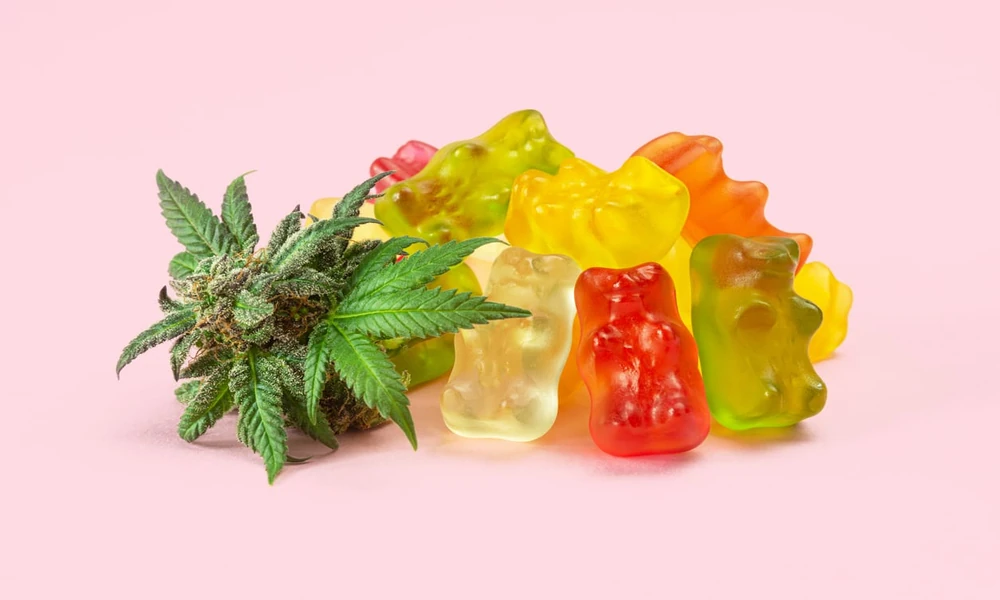
Amanita muscaria, not psilocybin. That distinction covers nearly every legal product in this category, since psilocybin sits on Schedule I federally, and nobody sells it retail anywhere in the country.
Shoppers picking up magic mushroom gummies are usually buying the red-capped species from fairy tale illustrations. Muscimol and ibotenic acid do the work in those, and neither compound ever landed on a DEA schedule.
Mechanism is where the two species part company entirely. Muscimol hits GABA-A receptors, which puts it closer to alcohol or a benzodiazepine than to anything serotonergic. Psilocybin works through serotonin instead. Reported experience reflects that gap, running heavy and dreamlike rather than visually bright, with repetitive thought loops turning up in accounts far more often than perceptual clarity does. Push the amount higher, and it tips toward delirium, which people describe as confusing rather than meaningful.
Ibotenic acid gets less attention than it should. Processing converts it into muscimol through decarboxylation, and when that conversion runs incomplete, what remains is a neurotoxic precursor responsible for most of the nausea buyers report afterwards.
How does legality differ?
Nothing in this category was ever scheduled, which is the whole explanation. Muscimol and ibotenic acid never appeared on the Controlled Substances Act. States have moved unevenly since. Louisiana has restricted the mushroom for years now, and Arizona brought in rules touching parts of the trade.
Federal agencies also noticed it. According to the FDA, muscimol and related Amanita constituents are unapproved food additives; no authorisation exists to use them. Enforcement stays possible against products containing them. Sold openly and approved for sale are two different things, and this category sits in the gap between.
Three product categories
Labels blur distinctions that genuinely matter, so sorting categories comes before any ranking.
- Amanita muscaria products contain muscimol and produce a psychoactive response through GABA pathways.
- Functional mushroom products use lion’s mane, reishi, or chaga, carrying nothing psychoactive whatsoever.
- Psilocybin products remain federally prohibited regardless of what any city council has decriminalised.
Wording along the lines of mushroom blend, with no species named anywhere, tells you enough. Latin binomials printed on a label mean somebody was willing to state what went in.
What lowers ranking?
Standardisation separates careful producers from the rest. Raw powder formulations carried by wild-harvested material vary greatly between specimens and seasons, so they cannot be reliably predicted. Ibotenic acid is completely avoided in purified muscimol isolates, which explains why some manufacturers switched.
Certificates carry more weight here than they do with cannabinoids, mainly because no regulatory testing framework governs this space whatsoever. Batch-specific panels covering muscimol content, ibotenic acid levels, and heavy metals give a buyer something solid. Missing paperwork answers the question without further discussion.
Species confirmation comes before potency comparison when ranking anything in this category. Amanita products work through a mechanism most buyers do not expect. The FDA treats their active compounds as unauthorised in food, and testing across the sector stays entirely voluntary. Anyone already taking prescribed sedatives should treat that receptor overlap seriously and raise it with a clinician first.