Choosing braces can feel surprisingly complicated. There are different types, different bracket designs, and plenty of opinions to consider. You may have heard that one option is newer, another is more reliable, or that a friend had a completely different experience. The reality is fairly simple: both Damon braces and traditional braces are designed to straighten teeth and improve bite problems.
What works best can vary from person to person. Your smile, treatment needs, comfort preferences, oral hygiene habits, lifestyle, and personal expectations all play a role in deciding which option may be the better fit.
Firstly, you must consult an experienced orthodontistlike D’Ascoli for proper evaluation. They are the best orthodontist Reno clinicthatpatients trust. Their experts provide accurate orthodontic evaluations and recommend appropriate treatment options. A professional assessment is important because the best appliance is not simply the one with the newest technology. Your orthodontist needs to consider how your teeth are positioned, whether you have crowding or bite issues, and what kind of correction your smile actually needs.
What Makes Damon Braces Different?
The main difference comes down to the brackets.
Traditional braces use small elastic ties to hold the arch wire against each bracket. Damon braces use a self-ligating bracket with a built-in mechanism that holds the wire without those elastic ties. This can reduce some friction and may make certain adjustments more convenient.
Damon braces may offer several practical advantages:
- No elastic ties around individual brackets
- Easier cleaning around the brackets
- A less noticeable option with clear brackets
- Potentially fewer adjustment appointments
- A design that many patients find more comfortable
That sounds great, and for some people it really is. But there is an important catch: Damon braces do not guarantee a shorter treatment for every patient. Treatment length depends on the complexity of the case and how teeth respond to treatment.
Why Traditional Braces Still Make Sense
Traditional metal braces have been used successfully for decades. They remain a dependable option for many children, teenagers, and adults.
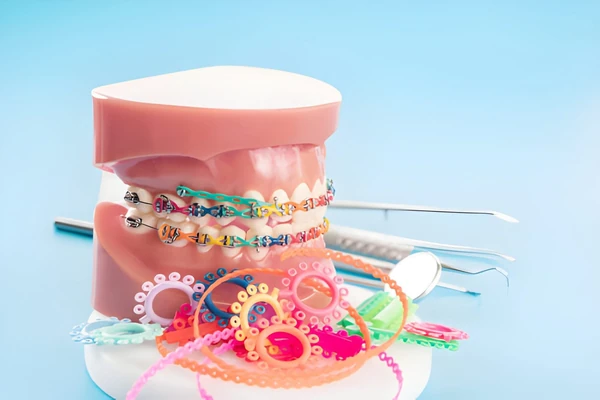
They use brackets, arch wires, and elastic ties to gradually guide teeth into their intended positions. Modern braces are also smaller and more refined than the versions many adults remember from childhood.
There is another little advantage, too. Some younger patients actually enjoy choosing different elastic colors. It can make braces feel less like a medical treatment and more like something they get to personalize.
Which One Is Better for You?
Consider these factors before deciding:
- Appearance: Clear Damon brackets may be less noticeable.
- Convenience: Self-ligating brackets can mean fewer adjustment visits for some patients.
- Treatment complexity: Your orthodontic needs should come before cosmetic preferences.
- Comfort: Some patients report less discomfort, but every mouth responds differently.
- Maintenance: Good brushing and cleaning remain essential with either system.
The Bottom Line
There is no universal winner here. Both options can deliver excellent results when treatment is carefully planned and properly managed.
So do not choose braces simply because one sounds more modern. Ask what suits your teeth, bite, expectations, and everyday routine. A good orthodontic treatment plan should be built around you, not around a particular bracket.