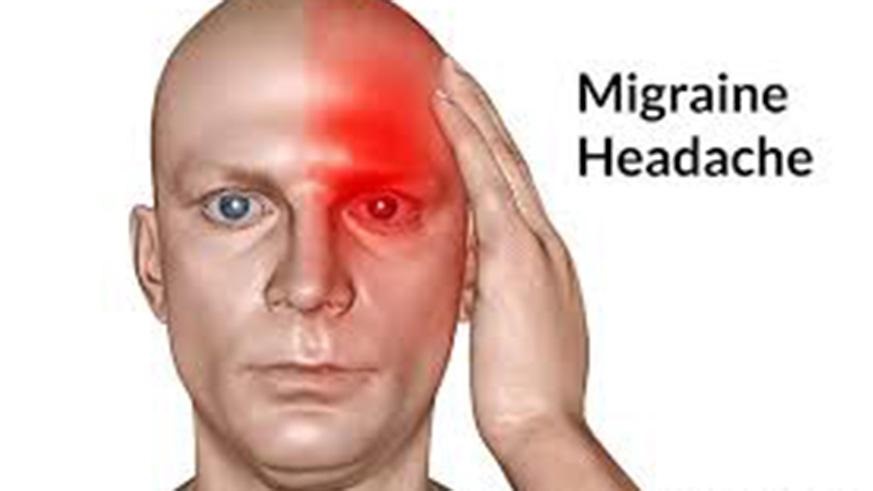
Almost everyone in the world has experienced a headache. The World Health Organization (WHO) states that headaches are one of the most common nervous system issues. Half of the global adult population experience at least one headache annually, and in more stressful environments, 1 in 20 adults will experience one or more headaches nearly every day throughout the week.
Unfortunately, you cannot always avoid headaches and migraines, but you can educate yourself to learn how to deal with these pains more effectively.
The Different Types of Headaches
There are four kinds of headaches:
Tension Headaches
A tension headache is characterized by its cause—stress and musculoskeletal issues, like a tight neck. Tension headaches can become chronic and may have pain that is similar to a migraine. You will feel a dull ache in the head, pressure around the forehead, and also tension in the sides of the neck. Muscle tenderness is also common.
Cluster Headaches
Cluster headaches are brief but crippling and can occur multiple times throughout the day. Cluster headaches often occur in the sinuses. Symptoms are usually focused on one side of the face and can even cause redness in the eyes and tearing, runny noses, and drooping eyelids.
Migraines
There are three kinds of migraines—aura migraine, regular migraine, and hemiplegic migraines. Women are twice as vulnerable to migraines than men, since migraines can worsen throughout the menstrual cycle. However, the exact cause of migraines is unknown. Common symptoms include nausea, vomiting, an aura that affects your vision, blurred vision, lightheadedness, dizziness, pain, and sensitivity to light and sound.
Medication-Related Headaches
Sometimes when you take too much medication, you can give yourself a headache, causing a headache cycle. The pain is often at its worst when you wake up.
Dealing With Headaches and Migraines
Many headaches can be dealt with by taking an over-the-counter medication, like aspirin, ibuprofen, or acetaminophen. However, you can also pick up migraine medication that are fast acting. Of course, if you don’t want to do that, there are other ways to deal:
- Take care of emotional stress. Learn how to relax yourself through progressive muscle relaxation, deep breathing, yoga, and meditation. You can also visit a chiropractic, acupuncturist, or get a massage to help with relaxation and even remove tension from your body.
- Reduce physical stress. Routinely stretch your neck, jaw, and shoulders. Make sure you are getting proper rest, as well.
- Learn about your headache and migraine triggers. Keep a journal about the pain and what causes it. When you make a connection, you can work to avoid those triggers.
- Get regular exercise and eat an anti-inflammation diet. This will help with stress reduction, help you get the right minerals and nutrients, and reduce inflammation in your body that could be causing pain.
- Quit smoking, since smoking can worsen both cluster headaches and migraines.
Headaches can be an inconvenience, but if you know what kind of headache you are suffering from, you can work to reduce the pain level. Be sure to set up a plan for yourself and stick to it. With a little lifestyle change, you can start to deal with headaches and migraines more effectively.