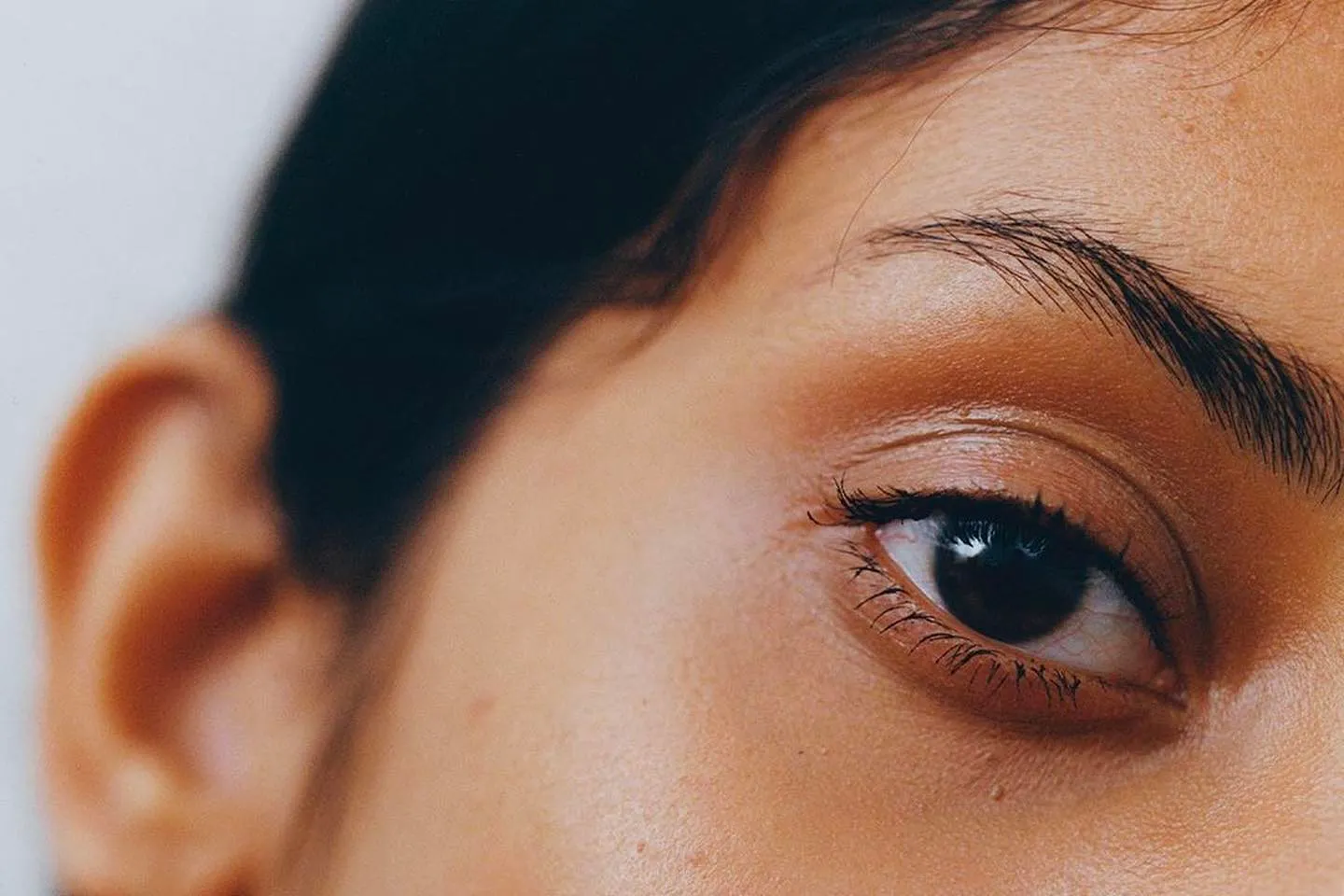
Dark spots are a common skin concern. They can appear after acne, sun exposure, or as part of the aging process. While many products promise brighter skin, not all are gentle. Some may irritate or dry out your skin. But now, many are turning to a new solution—green light therapy.
Understanding Green Light Therapy
Green light therapy uses light in the green wavelength range—usually between 520 and 560 nanometers. It is part of a group of treatments called Low-Level Light Therapy (LLLT). These therapies use specific light colors to target different skin concerns.
Red light is used for anti-aging. Blue light fights acne. Green light, on the other hand, is known for its calming and brightening properties.
Green light therapy is becoming popular as a skin-friendly option for treating various concerns. It’s known for its soothing properties and is often used to balance uneven skin tone and ease redness. Now, many are curious—can it also help with dark spots? The question “does green light therapy work?” often comes up when people explore natural ways to fade pigmentation. While research is still growing, early findings and user experiences show hopeful signs.
What Causes Dark Spots?
Before exploring how green light may help, let’s understand how dark spots form. They can happen due to:
- Too much sun exposure
- Hormonal changes (like during pregnancy)
- Acne scars
- Skin inflammation
- Aging skin
These blemishes arise from the skin generating an overabundance of melanin in particular areas. This leads to patches that are darker than the rest of your skin. They are not harmful but can affect how you feel about your skin.
How Can Green Light Therapy Help?
Green light therapy may help reduce the look of dark spots by working on several levels:
- Calms Skin Inflammation
Inflammation is often the first step in dark spot formation. Green light has calming effects that can reduce redness and irritation. A calmer skin tone helps in preventing future spots.
- Slows Down Melanin Production
Some studies suggest that green light can slow melanin production. This can help make existing dark spots less noticeable over time. It may also stop new ones from forming.
- Boosts Skin Cell Renewal
Green light supports natural skin cell turnover. It helps remove old, damaged skin cells and replace them with fresh ones. This process is important for fading dark spots slowly and safely.
- Improves Skin Tone and Clarity
When used regularly, green light therapy can improve overall skin tone. It brightens dull areas and gives your skin a more even look.
What Makes It a Gentle Option?
Many skin brightening treatments use harsh chemicals like hydroquinone or strong acids. These may cause dryness, peeling, or irritation—especially for people with sensitive skin.
Green light therapy is different. It doesn’t use chemicals or heat. Instead, it uses gentle light waves to trigger natural processes in the skin. That’s why it’s often called a “gentle approach” to skin care.
How to Use Green Light Therapy
You can now find many green light therapy devices made for home use. These include face masks, handheld tools, or LED panels.
Here are some tips for safe use:
- Clean your face before using the device.
- Follow the device’s instructions carefully. Most sessions last 10–20 minutes.
- Use it 3–4 times a week for best results.
- Apply sunscreen if going outdoors after treatment.
With regular use, most people start seeing changes in 4–8 weeks. However, everyone’s skin is different, so patience is key.
What Results Can You Expect?
Green light therapy doesn’t offer instant results. It’s a slow and steady process. Over time, you may notice:
- A more even skin tone
- Less visible dark spots
- A brighter, fresher look
- Reduced redness or irritation
The results depend on your skin type, how dark the spots are, and how often you use the therapy.
Is It Safe for All Skin Types?
Yes, green light therapy is generally safe for all skin types. Since it’s non-invasive, it doesn’t damage the skin barrier. People with sensitive or dry skin may find it especially helpful because it doesn’t cause irritation like other treatments can.
Still, it’s a good idea to do a patch test first. And if you have a skin condition or are on medication, talk to a dermatologist before starting.
Pairing It with Other Skin Brightening Tips
Green light therapy works best when combined with healthy skincare habits. Here are some tips to boost your results:
- Wear sunscreen daily to protect your skin from UV rays.
- Use a gentle exfoliator once or twice a week.
- Stay hydrated and eat skin-friendly foods rich in vitamins C and E.
- Avoid picking at pimples, which can lead to dark marks.
Together with green light therapy, these habits can help you maintain brighter, healthier skin.
Conclusion
Dark spots can be tough to deal with, especially if you have sensitive skin. Many treatments are either too harsh or not effective. But green light therapy offers a safe, natural, and gentle way to improve skin clarity and reduce pigmentation.
While the question, “does green light therapy work?” may not have a one-size-fits-all answer, the early results are promising. Many people report brighter skin, fewer dark spots, and an overall healthier glow.
If you’re looking for a non-invasive way to boost your skin’s appearance, green light therapy might be the gentle solution you’ve been waiting for.