Many people seek a refreshed, radiant complexion without surgery. Professional aesthetic procedures offer a powerful solution for this goal.
These treatments use naturally occurring acids to deeply exfoliate the skin. This process stimulates collagen and accelerates cellular turnover.
The result is a visible improvement in texture and colour. Fine lines, sun damage, and mild scarring can be significantly reduced.
This approach is highly versatile. It can address concerns like uneven pigmentation, enlarged pores, and a dull complexion.
Seeking expert guidance is crucial for optimal results. A qualified practitioner assesses your skin and recommends the appropriate strength.
This guide explores the different types of peels, what to expect, and how to care for your skin afterwards. It is designed to help you make an informed choice about your rejuvenation journey.
Key Takeaways
- It is a non-surgical solution for comprehensive facial rejuvenation.
- The procedure uses clinically proven acids for deep exfoliation.
- It effectively targets signs of ageing, pigmentation, and textural issues.
- Professional assessment is vital for safety and achieving the best outcome.
- There is minimal downtime compared to invasive surgical alternatives.
- The treatment can be tailored to various skin types and aesthetic goals.
Overview of Chemical Peel Treatment UK
Modern cosmetic dermatology offers solutions that work beneath the surface for lasting change. This overview explains a popular, non-surgical method for facial enhancement.
What is a Chemical Peel?
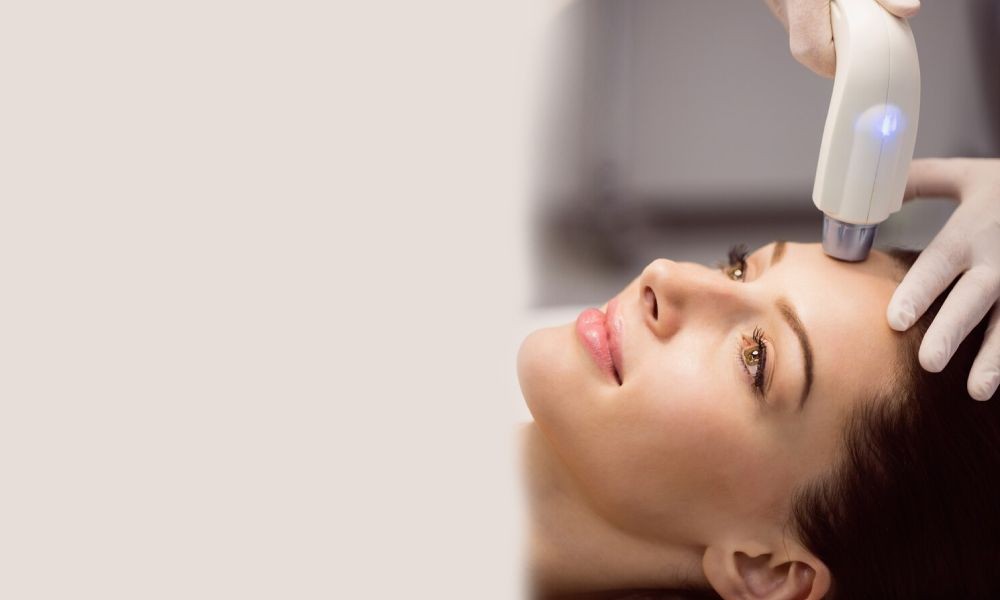
It is a cosmetic dermatological procedure. A controlled solution is applied to the face.
This formulation penetrates the outer layers. It breaks down bonds between old cells. The skin’s natural healing response is then triggered.
The process stimulates vital proteins like collagen and elastin. These proteins are key for firmness and a youthful look.
Key Benefits for Skin Rejuvenation
The primary outcome is a visible refresh. Fine lines and wrinkles can be reduced.
Texture and smoothness often improve significantly. Uneven pigmentation and sun spots become less noticeable.
This approach can also diminish mild acne scarring. The overall facial appearance is enhanced. It is a versatile, non-invasive alternative to surgery.
Professionals can tailor the strength and ingredients. A series of sessions typically yields the most dramatic, long-lasting results for ageing or sun-damaged skin.
Types of Chemical Peels and Their Effects
The world of non-surgical skin rejuvenation offers a spectrum of options, from gentle refreshers to intensive renewals. These procedures are primarily grouped by their depth of penetration and the strength of the solutions used.
Light, Medium and Deep Peels Explained
A light, or superficial, peel works on the outermost layer. It tackles minor issues like uneven tone, mild acne, and fine lines. Results are subtle, and sessions may be repeated monthly.
Medium-depth options penetrate further into the skin’s layers. They effectively address concerns such as acne scarring, deeper wrinkles, and age spots. These offer more noticeable improvement and are typically repeated every 6 to 12 months.
Deep peels use the strongest formulations. They target significant sun damage, pronounced scarring, and deep facial lines. The results can be dramatic and last for many years, but recovery is longer.
| Type | Depth of Action | Common Concerns Addressed | Typical Frequency | Downtime |
|---|---|---|---|---|
| Light | Outer epidermal layer | Uneven pigmentation, mild acne, fine lines, dullness | Monthly | Minimal (1-3 days) |
| Medium | Mid-dermal layers | Acne scarring, deeper wrinkles, age spots, uneven colour | Every 6-12 months | Moderate (1-2 weeks) |
| Deep | Lower dermal layers | Deep wrinkles, significant sun damage, pronounced scarring | Once (results last years) | Significant (2+ weeks) |
Choosing the Right Peel for Your Skin Concerns
Selecting the appropriate intensity is crucial. A qualified practitioner assesses skin thickness, pigmentation, and specific aesthetic goals.
“The best results come from matching the procedure’s depth to the individual’s concern and healing capacity.”
Factors like tolerance for downtime and desired outcome guide this personalised decision. An unsuitable choice may not deliver optimal results.
Preparing for Your Chemical Peel
Proper groundwork is essential to ensure safety and maximise the benefits of your skin rejuvenation journey. The steps you take before your appointment are just as important as the procedure itself.
Pre-Procedure Skincare and Consultation
Scheduling a comprehensive consultation with qualified skin experts is the critical first step. This initial meeting determines your suitability for the treatment. It also identifies any potential contraindications and establishes realistic expectations for your results.
During the consultation, practitioners conduct a thorough evaluation. They assess your skin type, medical history, and specific aesthetic concerns. This allows them to recommend the most appropriate formulation and strength for your needs.
Active conditions like psoriasis, eczema, or rosacea may preclude someone from receiving this solution. A full disclosure of your medications and previous cosmetic treatments is vital. It helps the expert customise your plan and ensure a smooth healing process.
Your practitioner will also advise on a pre-procedure skincare regimen. This often involves discontinuing certain products like retinoids a few weeks prior. Avoiding sun exposure is also crucial to optimise your skin’s condition.
It’s wise to book your appointment at a time when you can accommodate the necessary recovery. For deeper treatments, you may need to arrange transportation home. Preparing your aftercare products in advance makes the process smoother.
“An informed patient is a prepared patient. The consultation is where we build the foundation for a successful outcome.”
Different skin types respond differently, making this expert assessment essential. It customises the parameters to minimise risks whilst maximising your benefits.
The Procedure: What to Expect
Understanding what happens during your aesthetic appointment can ease any pre-treatment nerves. The session is an outpatient process. It typically takes between thirty minutes and one hour.
Step-by-Step Treatment Process
First, the skin is thoroughly cleansed. The eyes and hairline are protected. A practitioner, such as those at Banning Skin Ltd, then applies the exfoliating formulation.
It is carefully painted onto small sections. Patients often feel a warming or tingling sensation. Cool air or compresses help manage this feeling.
The depth of action is controlled by the solution’s strength and contact time. The expert monitors the skin’s response throughout. Finally, the agent is neutralised or washed away.
Post-Treatment Care and Recovery Guidelines
Skin will feel tight and look red immediately afterwards. This sunburn-like feeling is normal. The healing process has begun.
Visible flaking and peeling usually start after a few days. For lighter sessions, this lasts around three to seven days. Deeper processes may involve more significant shedding for up to two weeks.
Avoid picking at the skin. Use the moisturiser or ointment provided by your clinic. Following expert advice is crucial for a smooth recovery.
| Peel Depth | Typical Procedure Time | Initial Sensation | Peeling Onset | Visible Peeling Duration |
|---|---|---|---|---|
| Light/Superficial | 20-30 minutes | Mild tingling | Day 2-3 | 3-5 days |
| Medium | 30-40 minutes | Moderate warmth | Day 3-4 | 5-10 days |
| Deep | 60+ minutes | Pronounced warmth | Day 4-5 | 10-14 days |
Enhancing Results with Professional Care
Achieving the best possible outcome from a facial rejuvenation procedure requires a partnership with your practitioner. The work of a skilled team ensures your results are both beautiful and long-lasting.
Most people are very pleased with their final outcome. This satisfaction is closely linked to following the personalised guidance provided by experts.
Personalised Recommendations for Optimal Outcomes
Your consultant will discuss specific follow-up care. They advise on medical-grade products to maintain a balanced skin tone.
“A one-size-fits-all approach doesn’t work. We tailor every step to your skin’s unique response and goals.”
This custom plan may include advanced formulations. Options like Enerpeel, Epionce, Obagi, and Medik8 represent industry-leading choices.
Collaboration for Comprehensive Care
For holistic facial enhancement, a collaborative approach is key. Facilities like Banning Dental can work alongside skin specialists.
This provides patients with coordinated aesthetic care. It addresses multiple concerns for a harmonious overall look.
| Aspect of Support | Key Benefit | Typical Action |
|---|---|---|
| Follow-up Assessment | Monitors healing & evaluates results | Schedule a review appointment |
| Product Advice | Protects new skin & supports regeneration | Use recommended serums and sunscreen |
| Long-term Planning | Determines if further treatments are needed | Book a series for cumulative effect |
Establishing an ongoing relationship with your team allows for continuous support. They can adjust plans to help you maintain your results over time.
Managing Recovery and Aftercare
Adhering to post-procedure guidelines is essential for a smooth and successful outcome. The right care during this period directly influences the final quality of your rejuvenation.
Understanding Skin Healing Stages
The process begins with redness and sensitivity, similar to sunburn. Over the following days, the skin will naturally scale and flake.
This peeling phase is a vital part of renewal. It reveals fresher, smoother layers beneath. Deeper processes may involve more significant shedding for several weeks.
Never pick or pull at this flaking skin. Doing so can disrupt healing, raise infection risk, and potentially cause scarring.
Suitable Skincare Regimens and Safety Tips
Use only gentle, fragrance-free cleansers and rich moisturisers. This supportive skincare routine maintains hydration and comfort.
Sun protection is non-negotiable. Apply a high-SPF broad-spectrum product daily. Avoid direct sun exposure to protect the new skin and prevent dark patches.
This diligent approach helps to even out skin tone, improve pigmentation, and smooth the appearance of old scars. Proper aftercare secures your radiant results.
Conclusion
Investing in professional skin rejuvenation can be a transformative step towards a more confident you. Chemical peels are highly versatile solutions. They effectively target common concerns like fine lines, uneven skin tone, sun damage, and acne scarring.
The available options, from light to deep, allow for customisation. A qualified practitioner tailors the procedure to your specific needs. This ensures both safety and optimal results.
Most people express great satisfaction with their final appearance and texture. A thorough consultation with an expert team is the essential first step. It sets realistic expectations and plans your personalised journey.
If you wish to address signs of ageing or improve your complexion, consider booking an assessment. Professional treatments offer a powerful path to renewed, radiant skin.
FAQ
What skin issues can a chemical peel address?
How do I know which type of peel is right for me?
Is there any downtime after the treatment?
When will I see the final results?
Are chemical peels safe for all skin types?