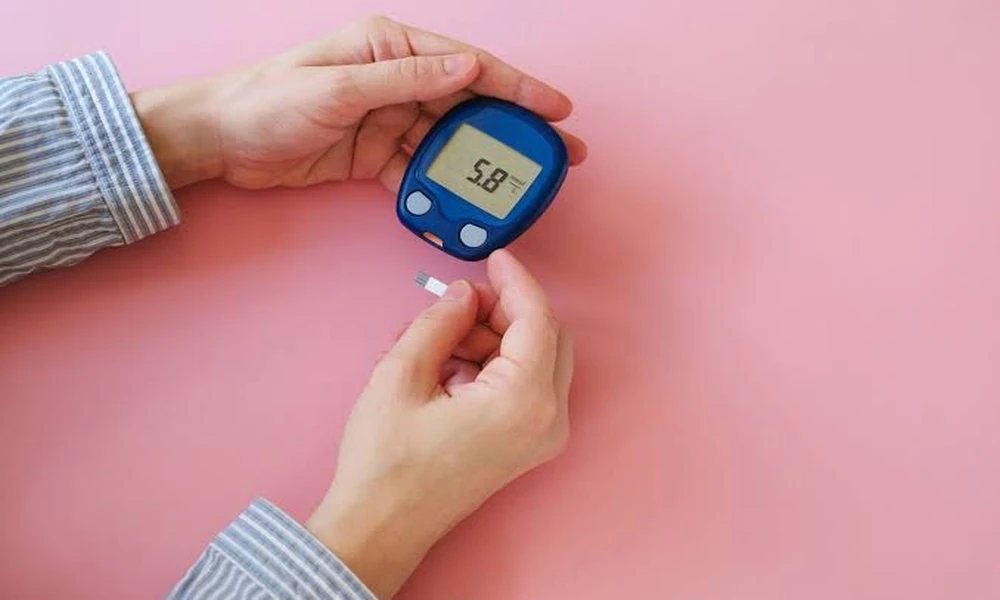
Continuous glucose monitoring, or CGM, has changed how many people understand diabetes. Instead of showing one reading at one time, a CGM sensor shows glucose patterns across the day and night. It can reveal what happens after meals, during sleep, during exercise and during stressful periods. This can be useful, but it can also create anxiety.
Many patients begin checking the graph repeatedly. Every rise after a meal may feel like failure. Every dip may feel dangerous. This is not the best way to use CGM. Blood sugar naturally changes through the day. The goal is not a perfectly flat line. The goal is to understand patterns, reduce unsafe highs and lows, and make practical changes under supervision.
CGM can answer useful questions. Does breakfast cause a large spike? Does walking after lunch help? Does late dinner push sugar high overnight? Does poor sleep affect morning readings? Does a snack before exercise prevent low sugar? These patterns can help doctors and dietitians personalise care.
However, CGM data should not be interpreted without context. A sensor reading may sometimes differ from a finger-prick reading. Compression during sleep, sensor placement, hydration and other factors may affect readings. A doctor may recommend confirmation with a blood glucose meter in certain situations, especially when symptoms do not match the CGM value.
A good CGM review looks at time in range, repeated spikes, low-sugar episodes, overnight patterns and glucose variability. One festival meal or one stressful day should not define the whole plan. Repeated patterns are more useful than isolated events.
Food changes should be sensible. Some people use CGM and become afraid of all carbohydrates. This can lead to extreme diets that are not sustainable. The better approach is to improve portions, combine carbohydrates with protein and fibre, avoid sugary drinks, and test how different meals affect the individual.
Madhavbaug’s diabetes lifestyle treatment programme may be relevant for readers who want structured support connecting glucose data with food, activity, weight and medical supervision.
CGM is not a replacement for other diabetes care. HbA1c, kidney function, eye checks, foot checks, blood pressure, cholesterol and medicine review still matter. A beautiful CGM graph does not remove the need for routine monitoring.
Patients using insulin or medicines that can cause low sugar need special guidance. They should know how to treat hypoglycaemia and when to seek help.
Readers can also visit Madhavbaug for broader health programme information.
Medical disclaimer: CGM readings should not be used to change medicines without a doctor’s advice.