Among the cosmetic dental treatments available today, veneers are frequently cited by dentists as one of the most transformative options for enhancing both smile aesthetics and self-assurance.
Interest in veneers London practices offer has grown steadily in recent years, particularly among professionals in client-facing roles such as finance, law, media, and consultancy. Dentists report that while the initial motivation may be cosmetic, the longer-term impact is often psychological and professional.
A cosmetic dentist from MaryleboneSmileClinic explains that dental veneers can have a marked effect on how patients carry themselves in meetings and presentations. According to the clinic’s team, patients who wish to explore treatment options can visit this site or click here via the practice website to understand how smile design is planned around individual facial features and career goals. The dentist notes that the objective is not simply whiter teeth, but a balanced, natural-looking result that supports confidence in professional settings.
A Polished Smile Enhances First Impressions
First impressions are formed quickly, often within seconds of meeting someone. Research in social psychology consistently shows that facial appearance and expression influence perceptions of competence, trustworthiness, and approachability. Teeth, as a central feature of the face, naturally draw attention when speaking or smiling.
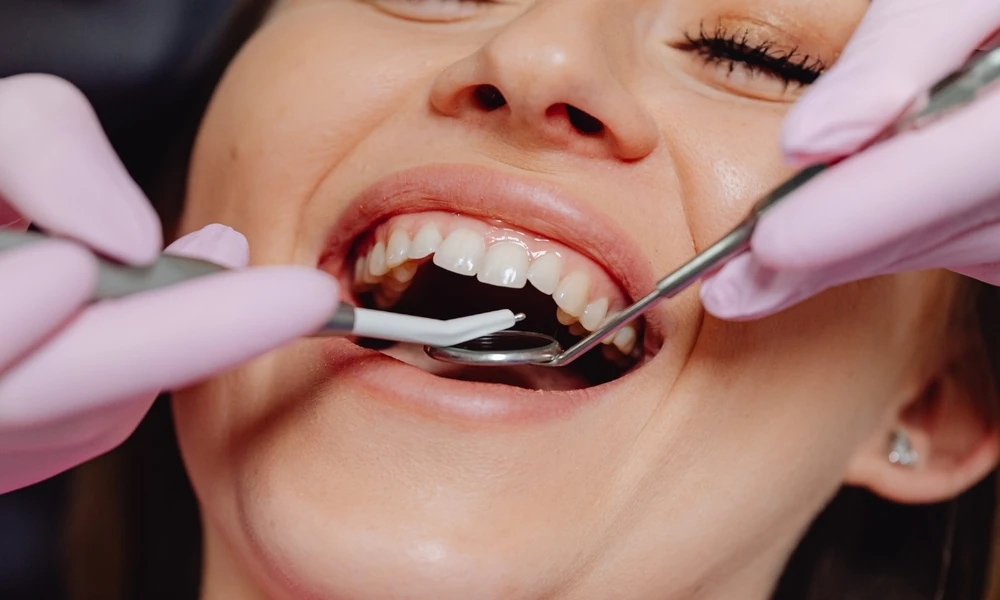
Veneers are thin shells of composite material or porcelain that are adhered to the front of teeth. They can fix problems like worn enamel, chipping, irregular spacing, mild misalignment, and discoloration. Dentists in London note that many patients seek veneers after realizing that their smile makes them feel less confident at client meetings, networking events, or interviews.
A polished, symmetrical smile can subtly reinforce a professional image. When individuals feel secure about their teeth, they tend to smile more freely, maintain better eye contact, and engage more openly in conversation. This shift in behaviour can influence how colleagues and clients respond to them. Dentists emphasise that the aim is not to create an artificial look, but to achieve harmony between teeth, lips, and facial proportions.
In a city where competition for roles and promotions is strong, these incremental advantages can accumulate over time. Confidence gained through aesthetic improvements may not directly determine career success, but it can support clearer communication and stronger interpersonal connections.
Confidence in Communication and Public Speaking
Public speaking, whether in boardrooms, conferences, or virtual meetings, can expose insecurities about appearance. Many professionals admit that they consciously limit their smile or adjust their speech patterns to conceal teeth they perceive as flawed. Dentists report that this self-monitoring can distract from effective communication.
Veneers can address deep staining resistant to whitening, uneven tooth edges, or small gaps that individuals find distracting. Once these concerns are resolved, patients often describe a greater willingness to speak up in meetings or volunteer for presentations. The psychological shift stems from reduced self-consciousness.
London dentists frequently highlight the relationship between oral aesthetics and body language. A confident smile supports vocal projection and facial expressiveness, both of which are essential in leadership roles. When individuals no longer worry about how their teeth look under bright office lighting or on high-definition video calls, they can focus more fully on their message.
It is also notable that hybrid working has increased time spent on camera. Video conferencing platforms tend to emphasise facial features, making teeth more visible. As a result, some professionals have sought veneers London clinics provide to feel more at ease in digital environments. Dentists stress that treatment planning considers both in-person and on-screen appearance to ensure natural proportions in different lighting conditions.
Long-Term Investment in Personal Branding
Professional confidence is closely linked to personal branding. In many sectors, individuals are encouraged to cultivate a consistent and credible public image. Appearance is one component of that identity, alongside expertise and communication style.
Veneers are often seen as a long-term investment rather than a short-term cosmetic fix. High-quality porcelain veneers, when properly maintained, can last many years. London dentists explain that durability and stain resistance make them suitable for individuals who frequently attend networking functions or corporate events where food and drink might otherwise affect tooth colour.
Patients who pursue veneers typically undergo detailed consultations, including digital smile design and mock-ups. This process allows them to preview potential outcomes and align the aesthetic result with their professional image. For example, a subtle enhancement may be appropriate for a solicitor seeking refinement, whereas a more noticeable brightening may suit someone in media or marketing.
The concept of personal branding extends beyond vanity. It involves presenting oneself in a way that supports credibility and trust. Dentists note that patients often report feeling more aligned with their professional aspirations after treatment. The improved smile becomes part of a cohesive self-image, reinforcing their confidence in negotiations, interviews, and leadership situations.
Correcting Dental Insecurities That Hold Careers Back
Dental insecurities can develop over years, sometimes originating in adolescence. Chipped front teeth, uneven spacing, or persistent discolouration may seem minor clinically, yet they can carry significant emotional weight. London dentists frequently encounter patients who have avoided smiling in photographs or covered their mouths while laughing for decades.
Such habits can influence professional interactions. A restrained smile or guarded expression may be misinterpreted as aloofness or lack of enthusiasm. Veneers provide a structured solution for addressing multiple aesthetic concerns simultaneously, often within a relatively short treatment timeframe.
Importantly, dentists emphasise careful assessment before recommending veneers. Good oral health, stable gums, and sufficient enamel are prerequisites. In some cases, orthodontics or whitening may be suggested instead. The decision is individualised rather than routine.
For those who proceed, the change can be transformative. Patients often describe relief at no longer feeling defined by a dental flaw. This relief can translate into greater participation in workplace discussions and more relaxed networking. While veneers do not alter professional ability, they can remove a persistent source of self-doubt that previously limited self-expression.
Supporting Career Transitions and New Opportunities
Career transitions often prompt reflection on personal presentation. Individuals moving into senior management, launching a business, or entering a new industry may reassess how they present themselves. London dentists report an increase in veneer consultations linked to such milestones.
Starting a new role can heighten awareness of appearance, particularly in sectors where client interaction is central. A confident smile can help establish authority and warmth simultaneously. Veneers can create uniformity in tooth shape and shade, contributing to a composed, professional look.
The decision to enhance one’s smile during a career shift is typically pragmatic. Patients describe wanting to feel fully prepared for new responsibilities rather than preoccupied with aesthetic concerns. Dentists advise that treatment planning should allow adequate time before major events, ensuring that patients adjust comfortably to their new smile.
In addition, many professionals relocating to London for work seek cosmetic dentistry as part of settling into a new environment. The availability of experienced clinicians and advanced materials has positioned the capital as a recognised centre for aesthetic dental care. While confidence ultimately comes from competence and experience, a smile that reflects self-assurance can support smoother integration into new teams and industries.
Psychological Wellbeing and Daily Workplace Interactions
Professional confidence is not only about high-profile presentations or interviews. It also influences everyday interactions: greeting colleagues, contributing in meetings, or engaging with clients. Dentists in London frequently observe that improvements in smile aesthetics have a cumulative effect on daily wellbeing.
When individuals feel satisfied with their teeth, they tend to smile more naturally. Smiling can, in turn, affect mood through well-documented psychological mechanisms. A relaxed, authentic expression can foster positive responses from others, reinforcing a cycle of confidence.
Veneers can also address functional wear that affects comfort when speaking. Slight chips or uneven edges may cause individuals to feel their teeth catch on the lip, creating subtle distractions. By smoothing and reshaping tooth surfaces, veneers can enhance both aesthetics and tactile comfort.
Dentists are careful to highlight that cosmetic treatments should be approached with realistic expectations. Veneers enhance existing features rather than create a fundamentally different person. However, for many professionals, resolving long-standing aesthetic concerns removes a barrier to full engagement at work. Over time, this increased ease in everyday exchanges contributes to a broader sense of professional self-belief.
A Considered Approach to Cosmetic Enhancement
While the advantages of veneers are widely discussed, London dentists consistently stress the importance of a measured, ethical approach. Comprehensive examinations, digital imaging, and detailed consultations are standard practice. Patients are encouraged to consider maintenance requirements, including good oral hygiene and regular dental reviews.
Porcelain veneers are custom-made and require precise placement. The process typically involves minimal preparation of the tooth surface, though this varies by case. Dentists discuss longevity, potential replacement in the future, and lifestyle factors such as grinding or dietary habits.
For professionals considering cosmetic dentistry, the decision should be informed rather than impulsive. Seeking treatment from experienced clinicians and reviewing before-and-after cases can clarify expectations. In London’s diverse professional landscape, the demand for aesthetic dental care reflects a broader recognition that confidence and appearance are interconnected.
Ultimately, veneers are not a substitute for expertise, diligence, or interpersonal skills. They are, however, a tool that can enhance how individuals perceive themselves in demanding work environments. By addressing visible imperfections and supporting natural, confident smiles, veneers can contribute meaningfully to professional self-assurance in one of the world’s most competitive cities.