Recognizing Developmental Delays
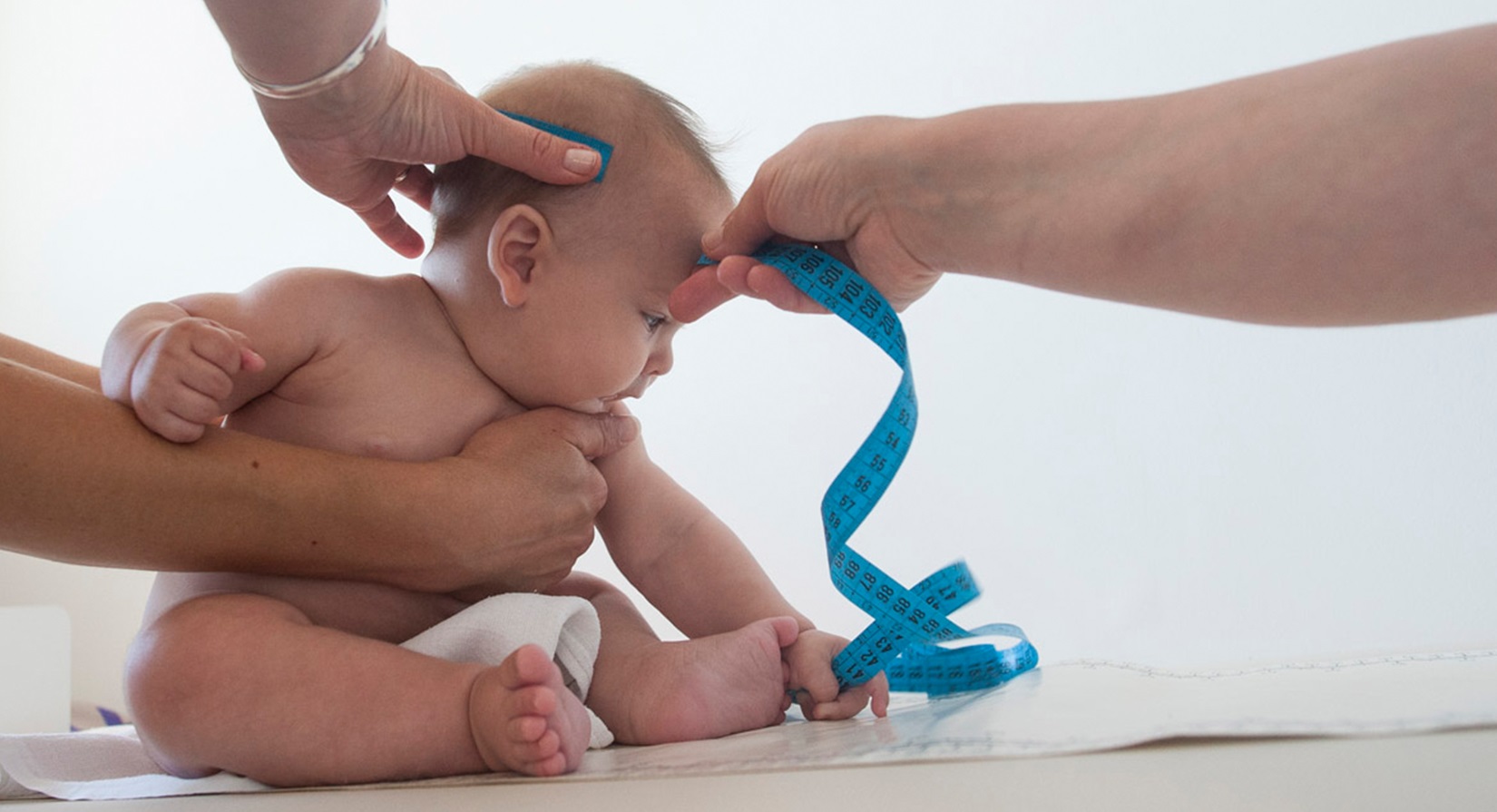
Spotting potential issues early on is a big part of figuring out if a child might have cerebral palsy. This often starts with noticing if a baby or young child isn’t hitting certain milestones at the expected times. These milestones cover a range of abilities, from holding their head up and rolling over to sitting, crawling, and walking. A delay in achieving these motor skills can be an early indicator. For instance, a baby who consistently seems much stiffer or much floppier than expected, or who doesn’t seem to be developing the typical range of movements, might warrant a closer look. It’s not about comparing children rigidly, but about observing general developmental progress. You can find more information about developmental screening tests that help identify these delays here.
Importance of Pediatrician Check-ups
Regular visits to the pediatrician are incredibly important for monitoring a child’s growth and development. During these appointments, healthcare providers routinely assess a child’s motor skills, reflexes, and overall development. They use standardized tools and their own clinical experience to spot any signs that might suggest a developmental delay or a neurological condition. Pediatricians are trained to recognize subtle differences in muscle tone, coordination, and movement that parents might not notice or might dismiss as just a phase. They can then recommend further evaluation if needed, making these check-ups a key part of the diagnostic process. The Cerebral Palsy Foundation also emphasizes the importance of early identification through such networks [03d8].
Parental Observation and Reporting
Parents and caregivers are often the first to notice changes or patterns in their child’s behavior and movement. They spend the most time with the child and are intimately familiar with their typical actions. If a parent has concerns about their child’s development, such as unusual stiffness, difficulty with certain movements, or a lack of expected progress, it is vital that they communicate these observations to their pediatrician. Providing detailed descriptions of what they are seeing, when it occurs, and how it affects the child can offer valuable clues. Trusting your instincts and reporting concerns is a critical step in ensuring a child receives timely assessment and support if a condition like cerebral palsy is suspected.
Clinical Assessment And Physical Examination
Following initial observations and developmental monitoring, a clinical assessment and physical examination form a cornerstone in the diagnostic process for cerebral palsy. This hands-on evaluation by healthcare professionals aims to identify specific physical signs associated with the condition. Doctors will carefully observe how a child moves and interacts with their environment.
Evaluating Muscle Tone and Reflexes
During this part of the exam, the clinician will assess the child’s muscle tone, which refers to the amount of tension in their muscles when at rest. Abnormal muscle tone, such as stiffness (spasticity) or floppiness (hypotonia), is a common indicator. Reflexes, like the knee-jerk reflex, are also tested to see if they are exaggerated, diminished, or absent. These findings provide important clues about how the brain or nervous system is functioning. For instance, increased reflexes might suggest damage to the motor pathways in the brain. This detailed examination helps in understanding the diagnosis.
Assessing Motor Skills and Coordination
Professionals will look at the child’s gross and fine motor skills. This includes evaluating their ability to perform actions like sitting, crawling, walking, grasping objects, and manipulating small items. Coordination, balance, and the presence of any involuntary movements are also carefully noted. Difficulties in these areas can point towards neurological issues affecting motor control. The way a child performs these tasks can reveal subtle or overt challenges.
Observing Movement Patterns
Beyond specific skills, the clinician observes overall movement patterns. This might involve watching how a child shifts their weight, reaches for toys, or walks. Are movements smooth and controlled, or are they jerky and awkward? The presence of asymmetry, where one side of the body moves differently than the other, is also a significant observation. These patterns can offer insights into the specific areas of the brain that may be affected. A thorough developmental history is often part of this assessment, as it can be difficult to diagnose without it.
Diagnostic Imaging Techniques
When trying to figure out if a child has cerebral palsy, doctors often turn to imaging tests. These aren’t just random scans; they’re specifically chosen to look for changes or damage in the brain that could be causing the movement issues. It’s like getting a detailed map of the brain to see what might be going on.
Magnetic Resonance Imaging (MRI) of the Brain
An MRI is a really powerful tool. It uses magnets and radio waves to create super detailed pictures of the brain. Doctors can see different types of tissue very clearly with an MRI, which helps them spot any areas that might have been affected by things like a lack of oxygen or bleeding before, during, or shortly after birth. These specific patterns of brain injury seen on an MRI are often linked to later CP diagnoses. It’s a common go-to for getting a good look at the brain’s structure and identifying potential problems that could lead to cerebral palsy. You can find more information about how imaging helps with diagnosis on pages about brain imaging.
Computed Tomography (CT) Scans
CT scans are another type of imaging that doctors might use. They use X-rays to create cross-sectional images of the brain. While MRIs give more detail about soft tissues, CT scans are quicker and can be really helpful in spotting things like calcifications or certain types of bleeding that might have occurred. They provide a good overview of the brain’s structure and can help rule out other conditions that might be causing similar symptoms.
Cranial Ultrasound for Infants
For very young babies, especially premature ones, a cranial ultrasound is often the first imaging test performed. This uses sound waves to create images of the brain. It’s non-invasive and doesn’t involve radiation, making it safe for newborns. Doctors use it to look for common issues in premature infants, such as bleeding in the brain or damage to the white matter, which are known risk factors for developing cerebral palsy. It’s a good way to get an initial look at the brain’s health in vulnerable infants, and research supports its integration into the diagnostic process.
Genetic And Metabolic Testing
Sometimes, the symptoms that look like cerebral palsy might actually be caused by something else. That’s where genetic and metabolic testing comes in. These tests help doctors figure out if there’s an underlying genetic condition or a metabolic disorder that’s causing the developmental issues. It’s like putting together a puzzle to make sure the diagnosis is spot on.
Identifying Genetic Predispositions
Doctors might look for specific genetic factors that could contribute to movement disorders. This involves analyzing a child’s DNA to see if there are any inherited conditions that might explain the symptoms. It’s a way to understand if the challenges are due to how the body is built from a genetic standpoint. Sometimes, these genetic issues can affect brain development or function, leading to symptoms similar to cerebral palsy. Learning about these predispositions can help families understand the root cause and potential future needs.
Ruling Out Metabolic Disorders
Metabolic disorders happen when the body can’t properly process certain substances, which can affect brain development and function. Tests might include blood or urine samples to check for imbalances or deficiencies in enzymes or nutrients. For instance, certain rare conditions can mimic the motor difficulties seen in cerebral palsy. Identifying these allows for different treatment approaches, and sometimes, early intervention can make a big difference. It’s important to consider these possibilities to get the most accurate picture of a child’s health, as some metabolic issues can be managed with specific diets or medications ruling out other conditions.
Chromosomal Analysis
Chromosomal analysis looks at the overall structure and number of chromosomes in a person’s cells. Chromosomes carry our genetic information, and abnormalities in them can lead to a wide range of developmental and physical challenges. This type of testing can help identify conditions like Down syndrome or other chromosomal abnormalities that might present with motor delays or difficulties. It’s another piece of the diagnostic puzzle that helps doctors differentiate between various conditions that can affect a child’s development disorders mimicking cerebral palsy.
Neurological Evaluation And Tests
Beyond the initial observations and imaging, a deeper dive into the child’s neurological function is often necessary. This involves a series of specialized tests designed to pinpoint any abnormalities in the brain and nervous system that might be contributing to or indicative of cerebral palsy. These evaluations help paint a clearer picture of how the brain is communicating with the body.
Electroencephalogram (EEG) for Seizure Activity
Many children with cerebral palsy also experience seizures, a condition known as epilepsy. An EEG is a non-invasive test that records the electrical activity of the brain. Small sensors, called electrodes, are attached to the scalp. These sensors pick up tiny electrical signals that the brain produces. The pattern of these signals can reveal abnormal electrical discharges associated with seizure activity. It’s a key tool for identifying epilepsy, which can sometimes co-occur with cerebral palsy, impacting a child’s development and requiring specific management strategies. Understanding this connection is important for comprehensive care.
Nerve Conduction Studies
Nerve conduction studies (NCS) assess how well electrical signals are traveling along nerves. This test can help determine if there is damage or dysfunction in the peripheral nerves, which are outside the brain and spinal cord. During an NCS, small electrodes are placed on the skin over specific nerves. A mild electrical impulse is delivered to the nerve, and the speed and strength of the signal’s transmission are measured. This can help differentiate between certain types of motor impairments and identify if nerve damage is a factor.
Electromyography (EMG)
Electromyography (EMG) measures the electrical activity produced by skeletal muscles. It’s often performed in conjunction with nerve conduction studies. A very fine needle electrode is inserted into a muscle to record its electrical activity, both when the muscle is at rest and when it is contracted. The results can indicate whether the muscles are receiving proper signals from the nerves and how the muscles themselves are functioning. Abnormalities in EMG results can provide further clues about the underlying cause of motor difficulties, helping to distinguish cerebral palsy from other neuromuscular conditions. This detailed assessment is vital for understanding the full scope of neurological health issues.
Differential Diagnosis And Confirmation
Distinguishing Cerebral Palsy from Other Conditions
It’s not always straightforward to pinpoint cerebral palsy. Many other conditions can present with similar symptoms, making a careful process of elimination necessary. Doctors need to rule out other neurological disorders, genetic conditions, or even temporary issues that might mimic CP. This involves looking at the whole picture, not just one symptom. For instance, a child might have trouble with movement, but is it due to a problem with the brain’s development, or perhaps a muscular issue that can be treated differently? Accurate diagnosis relies on differentiating CP from these other possibilities.
Multidisciplinary Team Approach
Diagnosing cerebral palsy isn’t usually a solo effort. It often involves a team of specialists working together. This can include pediatricians, neurologists, physical therapists, occupational therapists, and sometimes geneticists or developmental specialists. Each professional brings a unique perspective and set of skills to the table. The physical therapist might focus on muscle tone and movement patterns, while the neurologist looks at brain function and potential causes. This collaborative approach helps ensure all aspects of the child’s development and health are considered. It’s about pooling knowledge to get the clearest possible understanding.
Confirmation of Diagnosis Over Time
Sometimes, a definitive diagnosis of cerebral palsy isn’t made immediately. For very young infants, developmental delays might not be apparent until they are older. The diagnostic process can therefore be ongoing. Doctors will often monitor a child’s development and progress over several months or even years. They look for consistent patterns in motor skills, reflexes, and muscle tone. This longitudinal observation is key, especially when symptoms are subtle or when the cause isn’t immediately obvious. It allows for a more reliable confirmation as the child grows and their unique developmental trajectory becomes clearer. Early screening tests can identify potential issues, prompting this closer observation [8e22].
What to Read Next