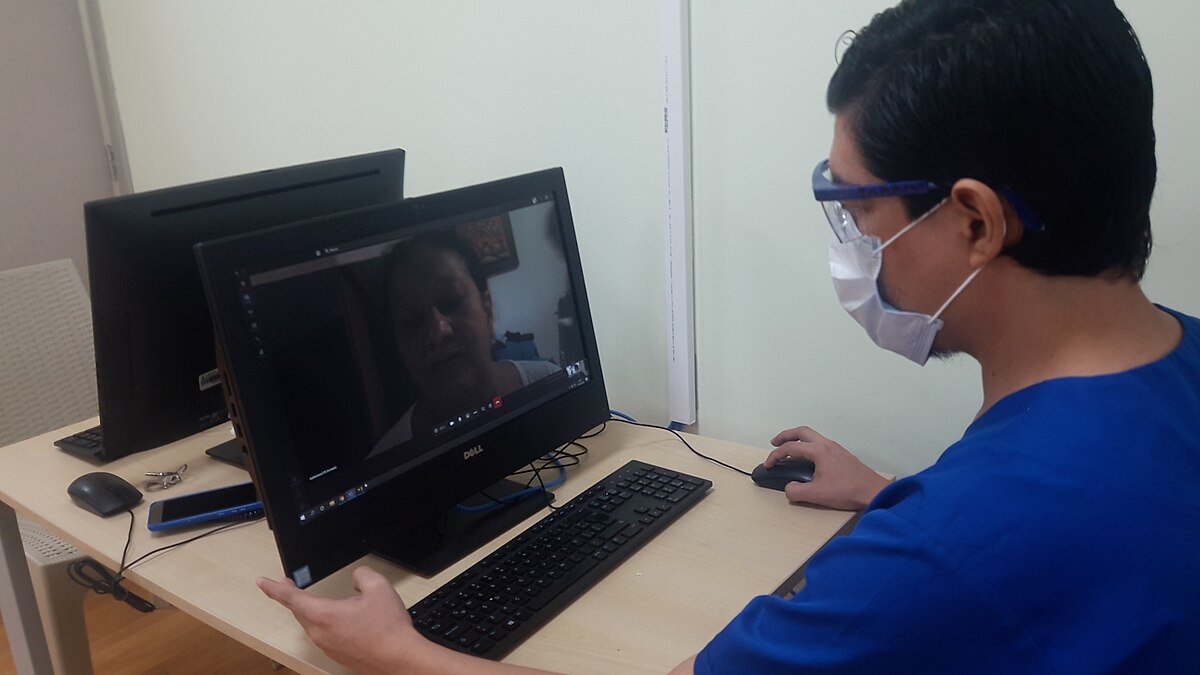
Telemedicine is becoming a vital part of postoperative care, especially for spinal surgery patients. Dr. Larry Davidson, a leader in spinal surgery, recognizes that remote pain tracking systems are elevating the standard of care by providing continuous oversight from a distance. These digital tools allow clinicians to monitor patient pain levels, detect complications early and adjust recovery plans in real-time, all without requiring patients to return to the clinic for frequent evaluations.
As virtual care becomes more accessible and advanced, it’s transforming pain management from an episodic process to a connected, ongoing dialogue between patients and providers.
The Shift Toward Virtual Pain Monitoring
Traditionally, patients recovering from spinal surgery would visit their surgeon’s office at scheduled intervals to report pain levels, medication side effects and physical progress. However, this approach has limitations. It leaves long gaps between check-ins and relies heavily on subjective memory recall, which may not accurately reflect fluctuations in pain.
Remote pain tracking systems resolve this issue by enabling patients to report their symptoms daily, or even multiple times a day, through digital platforms. These platforms may include mobile apps, wearable-integrated dashboards or web-based portals where patients log pain scores, sleep patterns, activity levels and medication use. The information is transmitted instantly to care teams, who can review trends and respond accordingly.
How Remote Pain Tracking Works
Remote pain tracking systems typically rely on a combination of patient-reported outcomes and passive data collection from connected devices. Most systems allow patients to input pain scores using a numerical scale or visual analog interface. Some also include features such as symptom tagging, medication adherence logs and prompts for noting emotional well-being or functionality (e.g., the ability to sit, stand or walk).
Wearables and biometric sensors may supplement these reports by tracking objective metrics such as heart rate, movement patterns, sleep quality and stress levels. Together, this creates a comprehensive profile of the patient’s daily recovery experience.
These systems often include clinician dashboards that display patient data in graphs or heat maps, flagging abnormal readings or patterns that indicate potential concerns. Alerts can be sent to physicians or nurses for timely review, allowing interventions before the situation escalates.
Benefits for Postoperative Spine Patients
Spinal surgery recovery can be complex and variable, making consistent monitoring essential. Remote pain tracking systems offer several advantages:
- Improved communication: Patients feel supported when they can share updates regularly without waiting for an in-person visit.
- Early detection: Unusual pain patterns or side effects can be identified before they lead to complications.
- Medication optimization: Dosing can be adjusted in real-time based on patients’ responses, reducing under- and over-medication.
- Reduced hospital visits: Remote tracking eliminates the need for unnecessary follow-ups, saving time and reducing risk for patients with limited mobility.
Patients recovering from lumbar fusion, decompression surgery or disc replacement often deal with pain that varies throughout the day. Having a tool that captures these fluctuations helps care teams provide targeted, timely support.
Dr. Larry Davidson remarks, “Emerging minimally spinal surgical techniques have certainly changed the way that we are able to perform various types of spinal fusions. All of these innovations are aimed at allowing for an improved patient outcome and overall experience.” When integrated with remote monitoring tools, these surgical advancements further enhance patient engagement and enable clinicians to tailor interventions with greater precision.
Customization and Patient Engagement
Many remote pain tracking platforms are designed to be customizable, adapting to the individual’s surgical procedure, medical history and personal preferences. Patients may choose how frequently they log pain, receive reminders to take medications or be prompted to report certain symptoms such as numbness, swelling or insomnia.
These custom features improve patient engagement, encouraging users to stay involved in their care plan and take an active role in tracking their progress. On some platforms, patients can view their own data trends, such as a chart showing pain reduction over several weeks, helping reinforce positive recovery behaviors and boost motivation.
Gamification features, such as progress badges or movement milestones, are sometimes included to encourage consistent tracking and adherence to rehabilitation activities.
Supporting Care Teams With Actionable Insights
From the clinical side, remote pain tracking systems provide actionable insights that enhance the quality of care. Surgeons, nurses and therapists can work together more efficiently when they have a shared view of the patient’s current status and trajectory.
For example, suppose a patient’s reported pain levels begin to rise two weeks after surgery. In that case, a nurse may contact the patient to conduct a symptom review and coordinate a telemedicine consultation. The team might discover signs of infection or poor medication response and take action before the issue worsens.
Integration With Multimodal Pain Strategies
Remote pain tracking does not exist in a vacuum; it complements multimodal pain management strategies. By monitoring how a patient responds to various interventions, from pharmacological treatments to physical therapy and mindfulness techniques, clinicians can fine-tune the combination that works best.
For instance, if a patient logs lower pain levels after cryotherapy sessions or guided stretching, the care team can emphasize those modalities. If pain increases following a particular movement or activity, the rehab schedule can be adjusted.
Addressing Accessibility and Privacy
While remote systems offer clear benefits, it’s essential to address barriers to access and concerns about privacy. Not all patients have the same level of digital literacy, internet access or comfort with using mobile apps. To mitigate this, providers can offer simple interfaces, training at discharge and ongoing tech support during recovery.
Privacy is another priority. Most platforms are compliant with health privacy regulations such as HIPAA and use encrypted data transmission and secure servers to protect sensitive information. Patients should be informed about what data is collected, how it’s used and who can access it, helping build trust in the system.
Smarter and More Predictive Care
As telemedicine continues to improve, remote pain-tracking systems are expected to become even more intelligent and predictive. Machine learning algorithms may soon be able to anticipate pain spikes before they occur, recommend medication timing or prompt preemptive check-ins based on behavioral patterns.
These tools may also integrate with electronic health records, allowing seamless communication across departments and improving coordination for patients with complex needs.
Remote pain tracking is not just a convenience; it’s a shift toward more connected, responsive and patient-driven care. For spinal surgery patients, this means greater comfort, better outcomes and a stronger sense of control throughout the recovery process.