Skin research has shifted toward peptides that work at the cellular level. Dermatologists study these molecules to treat conditions where standard medications fall short. Current investigations examine sun protection mechanisms, pigmentation disorders, and inflammatory diseases. Researchers apply imaging techniques to observe bluumpeptides responses within tissue layers. Findings suggest that may help advance future dermatological investigations. The goal is to find new treatments.
Sun protection testing methods
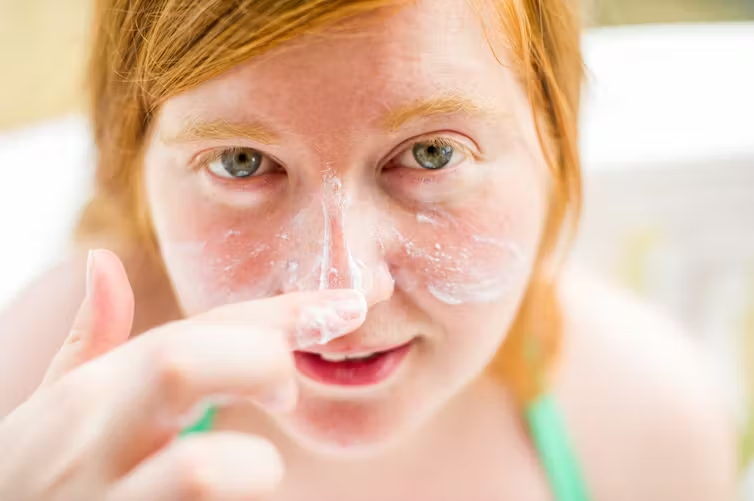
Laboratories test whether artificial tanning provides real UV defence or just cosmetic colour changes. Melanotan I gets studied because it triggers melanin production without sun exposure. Researchers measure how much UV radiation causes redness before treatment starts. After several weeks of peptide injections, they repeat the test. Needing more radiation to cause redness means the skin has gained protection.
- Participants get small skin areas exposed to controlled UV light from solar simulator machines that match natural sunlight spectra
- Colorimeters measure exact melanin levels in skin rather than relying on visual observation alone
- Some trials combine the peptide with regular sunscreen to test if both methods together work better than either one separately
- Field studies send people outdoors during the summer months to track real sunburn rates versus laboratory predictions
- Skin biopsies examined under microscopes show whether melanin actually blocks radiation damage at the DNA level
Studies recruit people with very fair skin who burn easily. These participants face the highest skin cancer risk. Testing focuses on whether peptide treatment helps people who cannot tan naturally through sun exposure. Control groups receive fake injections without an active ingredient. Comparing results between groups shows whether the peptide actually works or if changes come from other factors. Dose testing starts small. Early participants get tiny amounts while doctors watch for problems. Each new group receives higher doses until researchers find the lowest amount that works, and the highest amount people tolerate. This range determines safe dosing for larger studies.
Vitiligo repigmentation trials
White patches from vitiligo form when pigment cells die or stop working. Existing treatments help some patients but fail in many cases. Studies test whether melanocortin receptor activation can wake up dormant pigment cells or grow new ones in affected areas.
- Patients with stable patches unchanged for six months get enrolled to ensure any improvement comes from treatment rather than natural variation
- Weekly photographs document any colour returning to white patches compared to untreated patches on the same person
- Microscopic examination of tiny skin samples counts pigment cells before treatment, during treatment, and after stopping to see if cell numbers actually increase
- Combination studies add narrowband UV light therapy to peptide injections because some research suggests both together work better than either alone
- Colour matching gets assessed because partial repigmentation that looks noticeably different from surrounding skin disappoints patients, even if technically successful
Results vary widely between patients. Some show important color return within weeks. Others see no change after months. Researchers try to identify which patient characteristics predict good responses. Age, patch location, how long the vitiligo has existed, and baseline immune markers all get analysed for patterns. Sustainability matters as much as initial response.
Liver and kidney tests ensure the organs that process the peptide stay healthy during extended use. Weight, appetite, and mood get tracked because melanocortin pathways influence these functions beyond skin effects. Early promising results must be confirmed in larger groups, tested in diverse populations, and followed long enough to catch delayed problems. Peptide research progresses slowly but methodically through this validation process.