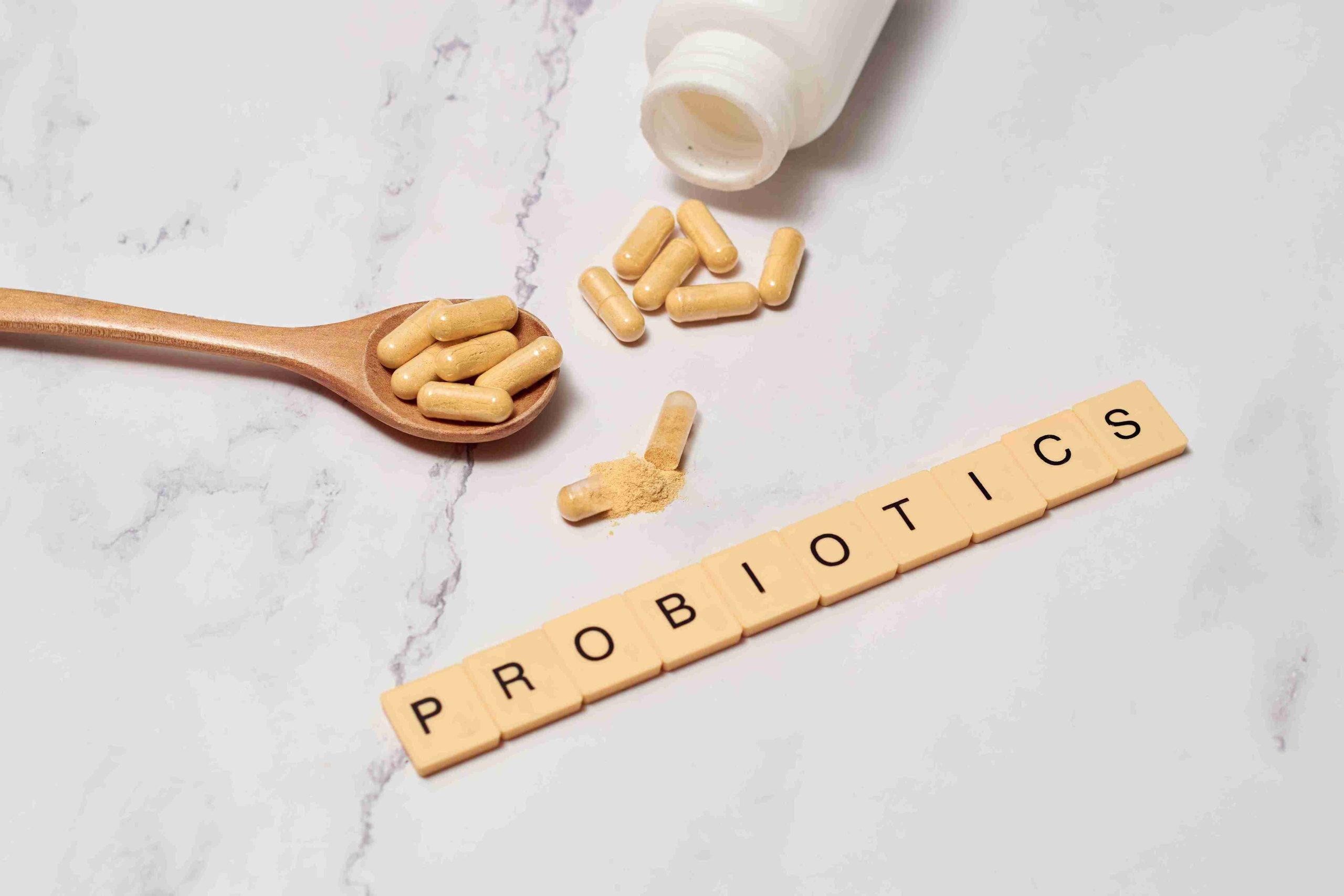
Gastric pain is a common digestive complaint that ranges from mild discomfort to intense cramping or burning sensations in the upper abdomen. It can be caused by various conditions including gastritis, indigestion, ulcers, or even stress. Often, people reach for antacids or pain relief medications, but there’s growing interest in natural approaches—particularly the use of probiotics—to ease symptoms and promote gut health.
What Are Probiotics?
Probiotics are live microorganisms, typically strains of bacteria or yeast, that offer health benefits when consumed in adequate amounts. Found in fermented foods like yogurt, kefir, and sauerkraut, as well as in dietary supplements, probiotics help maintain a balanced gut microbiota.
The human gut contains trillions of bacteria that contribute to digestion, nutrient absorption, immune function, and even mental health. When this microbial balance is disrupted, digestive symptoms including gastric pain can emerge. Probiotics work by restoring and supporting this balance.
How Probiotics Work in the Gut
Once ingested, probiotics colonize the gastrointestinal tract and begin interacting with the existing gut flora. They help regulate the pH of the stomach and intestines, produce beneficial compounds such as short-chain fatty acids, and strengthen the intestinal lining.
These actions reduce inflammation, compete with harmful bacteria for space and nutrients, and enhance the gut’s immune defenses. All of these benefits are especially relevant to those experiencing symptoms like bloating, abdominal discomfort, and gastric pain.
Probiotics and Their Role in Reducing Gastric Pain
Research shows that probiotics can be particularly effective in managing certain causes of gastric pain. For example, in cases of Helicobacter pylori infection—a bacterium linked to ulcers and chronic gastritis—specific probiotic strains may help reduce bacterial load and side effects when used alongside antibiotics.
Additionally, individuals with functional gastrointestinal disorders such as irritable bowel syndrome (IBS) often report improvements in symptoms after regular probiotic use. While IBS primarily affects the colon, the resulting digestive imbalance can trigger upper abdominal discomfort that feels like gastric pain.
Probiotics may also aid in healing the stomach lining and reducing inflammation in cases of non-ulcer dyspepsia, which presents with symptoms like upper abdominal pain, early satiety, and bloating.
Choosing the Right Probiotic Strains
Not all probiotics are created equal. Different strains offer different benefits, and selecting the right one is crucial for targeting specific symptoms.
For example:
- Lactobacillus acidophilus and Bifidobacterium bifidum have been shown to reduce bloating and abdominal discomfort.
- Saccharomyces boulardii is often used in the treatment of gastrointestinal infections and diarrhea, both of which can accompany or contribute to gastric pain.
- Lactobacillus reuteri has shown promise in easing symptoms of functional dyspepsia.
Before starting a probiotic supplement, it’s advisable to consult a healthcare professional who can guide you toward strains backed by research and suited to your specific digestive concerns.
Supporting Probiotic Function with Diet and Lifestyle
To maximize the benefits of probiotics, a supportive diet is essential. Prebiotics—non-digestible fibers found in foods like bananas, garlic, onions, and oats—serve as fuel for probiotic bacteria, helping them thrive and multiply in the gut.
Reducing intake of processed foods, refined sugars, and alcohol can also support gut health. These substances can encourage the growth of harmful bacteria and worsen digestive symptoms.
Additionally, stress management, adequate sleep, and regular physical activity all contribute to a healthier gut environment. Chronic stress, in particular, is linked to gastrointestinal inflammation and can exacerbate symptoms of gastric pain.
When to Seek Medical Advice
While probiotics are generally safe and beneficial, they’re not a one-size-fits-all solution. Persistent or severe gastric pain should always be evaluated by a healthcare provider to rule out serious conditions such as peptic ulcers, gallstones, or gastrointestinal cancers.
In some cases, a combination of conventional treatment and probiotic therapy offers the best outcome. For example, antibiotics may be needed to treat a bacterial infection, while probiotics help maintain gut balance and reduce side effects.
Conclusion
The use of probiotics offers a promising, natural approach to managing digestive discomfort and gastric pain. By supporting a healthy gut microbiome, these beneficial microorganisms can reduce inflammation, combat harmful bacteria, and restore balance to the digestive system. While they are not a replacement for medical treatment when needed, probiotics can play a valuable role in both prevention and symptom relief. If you suffer from recurring gastric pain, exploring probiotics as part of your overall digestive health strategy could make a meaningful difference.