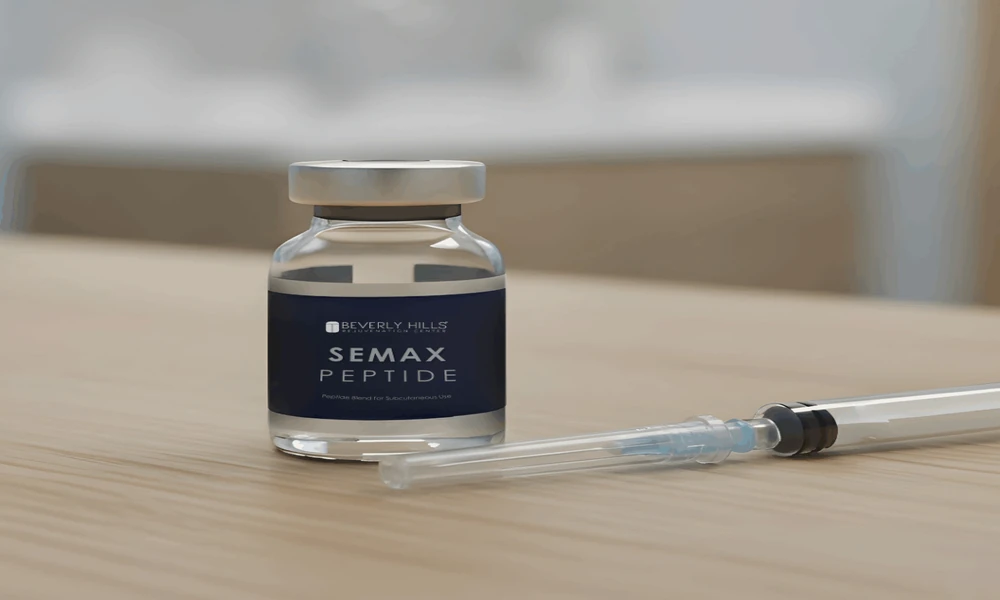
Semax is a synthetic molecule based on a fragment of the hormone ACTH. This compound includes the tripeptide Pro-Gly-Pro at its C-terminal end. It holds a place on the Russian List of Vital and Essential Drugs, primarily for use in cerebral stroke therapy.
Scientific investigations have demonstrated that this agent provides strong neuroprotective benefits. These effects have been observed in various experimental models of neurological injury. The research points to a significant role in supporting overall brain health.
This detailed resource offers a thorough examination of the science behind this molecule. It analyses how it functions within the nervous system to promote recovery and long-term resilience. The information stems from extensive laboratory work, including studies on rat brain models.
Readers and healthcare professionals can access a comprehensive, peer-reviewed analysis on the subject. This PMC free article serves as a valuable reference for understanding the molecular pathways involved. It highlights the potential of such nootropic compounds in modern clinical practice.
Key Takeaways
- The discussed compound is a synthetic molecule derived from a fragment of the hormone ACTH.
- It is officially utilised in Russia for therapy following a cerebral stroke.
- This agent exhibits notable neuroprotective properties in research models.
- Its mechanisms of action support sustained neurological function and health.
- This review analyses foundational scientific research, including work with animal models.
- A free, peer-reviewed article on PMC provides an in-depth resource for professionals.
- Such molecules represent a promising avenue for nootropic intervention and brain support.
Understanding the Mechanisms of Action and Cognitive Benefits
The compound’s mechanism centres on protecting nerve cells from damage caused by lack of oxygen and exposure to toxic chemicals. This foundational process strengthens brain cell resilience under extreme duress.
Neuroprotective Action and Gene Expression
Research indicates the neuroprotective action is mediated through modulation of gene expression within the brain’s cortex. Scientific analysis confirms the protein products of these genes play a critical role in maintaining neuronal integrity during metabolic stress.
By influencing the expression of specific neurotrophic factors, the agent exerts a positive effect on cell survival in vulnerable brain regions. The observed effects on mitochondrial stability suggest it helps regulate calcium ion flow, preventing neuronal death.
| Stress Condition | Protective Action | Primary Outcome |
|---|---|---|
| Hypoxia & Glutamate Toxicity | Modulation of gene expression for neurotrophic factors | Enhanced neuron survival rates |
| Calcium Ion Deregulation | Stabilisation of mitochondrial function | Maintained cellular energy production |
| Ischaemic Conditions | Enhancement of brain’s trophic supply | Support for neuronal networks |
Benefits in Cognitive Enhancement
These cellular protection mechanisms translate to support for higher brain functions. The primary role of this compound is to enhance the brain’s nutritional support during challenging conditions.
This foundation of cellular stability contributes to sustained mental performance. Researchers have documented improved outcomes in various assessments of brain function following administration.
Enhancing Brain Health in Ischaemic Conditions
Ischaemic stroke represents a critical global health challenge, often leading to severe neuronal loss and long-term disability. This condition occurs when blood flow to the brain is restricted, causing massive cell death. Effective strategies to mitigate this damage are a major focus of neurological research.
Clinical investigation into cerebral ischaemia highlights the vital need for early intervention. Prompt treatment aims to prevent the expansion of a necrotic core within the affected tissue. This approach is fundamental to preserving functional neural networks.
Role in Stroke Therapy and Neuronal Survival
The agent has been shown to improve outcomes in stroke therapy. It promotes neuronal survival in the vulnerable penumbra zone that surrounds the primary injury site after an occlusion. This area contains cells that are at risk but can potentially be saved.
By shielding the nervous system from damage caused by reduced blood flow, the drug aids in maintaining cognitive function in patients. Its action helps sustain mental processes during recovery. This protective effect is a key therapeutic benefit.
Studies on ischaemia demonstrate that administration can significantly reduce the volume of damaged cortical tissue. Furthermore, its potential is supported by an ability to inhibit harmful nitric oxide synthesis during a stroke event. This contributes to a more favourable recovery profile.
| Therapeutic Action | Target Area | Observed Outcome |
|---|---|---|
| Early Intervention | Necrotic Core | Limitation of initial tissue death |
| Promotion of Neuronal Survival | Ischaemic Penumbra | Preservation of at-risk cells |
| Protection from Reduced Blood Flow | Entire Nervous System | Maintenance of functional capacity |
| Inhibition of Nitric Oxide Synthesis | Site of Cerebral Ischaemia | Reduction in secondary inflammatory damage |
Semax Peptide Cognitive Enhancement Studies
A landmark investigation mapped the full genetic response of cortical tissue in a rodent model to a particular neuroprotective agent. This genome-wide analysis examined the transcriptome of ischaemised rat brain cortex tissues. It detailed how the genetic landscape shifts following treatment.
The effect of the agent on gene regulation is profound. It modulates key pathways linked to cellular survival and repair mechanisms in the cortex. This action supports the overall resilience of neural networks.
For laboratories seeking to replicate these findings, sourcing high-quality materials is crucial. Pure Peptides UKprovides reliable insights and compounds for such experimental purposes. Partnering with a trusted supplier ensures research integrity.
This article synthesises data from multiple experiments to illustrate how Semax influences performance in animal models. The study remains a cornerstone of modern neuropharmacology. It opens new avenues for addressing neurological decline.
| Genetic Pathway | Observed Regulation | Functional Outcome |
|---|---|---|
| Neurotrophic Signalling | Upregulated Expression | Enhanced Cell Survival |
| Inflammatory Response | Modulated Activity | Reduced Tissue Damage |
| Metabolic Adaptation | Improved Efficiency | Sustained Energy Production |
Molecular and Genetic Insights from Research
Investigations into the genetic underpinnings of neuroprotection reveal a substantial influence on immune-related gene networks in the brain. This area of study provides a deeper understanding of how certain agents function at the most fundamental level.
Gene Expression Alterations
Genome-wide analysis has shown that the agent significantly alters the expression of genes. These changes are most pronounced in groups that encode immunoglobulins and chemokines.
The protein products from these genes are vital. They facilitate the movement and attraction of dendritic cells within neural tissue.
Immune System Modulation in the Brain
A major portion of the altered genetic activity involves genes that regulate immune cell behaviour. This includes macrophages and neutrophils.
Modulating the immune system is a core mechanism for providing protection during focal ischaemia. By managing the expression of immunoglobulin genes, the inflammatory response after a stroke event is better controlled.
This genetic reprogramming supports the overall resilience of the brain’s environment. It represents a sophisticated approach to supporting neurological health.
Implications for Stroke and Neuroprotection
Recent findings highlight a dual-action strategy that bolsters the brain’s innate repair mechanisms after ischaemic injury. This approach is crucial for improving recovery outcomes.
The agent influences genetic activity to promote the formation and function of the vascular system. This supports the growth of new blood vessels in damaged neural tissue.
Concurrently, its immunomodulating effect calms harmful inflammation. This is likely a key mechanism behind its strong protective properties.
Research indicates the effects are most potent when administered soon after an ischaemic event. Early intervention helps stabilise the brain environment.
This stabilisation can reduce long-term disability from severe stroke. The strategy addresses multiple pathological processes at once.
“The integration of vascular support and immune regulation represents a sophisticated advance in neuroprotective therapy.”
| Protective Mechanism | Primary Target | Clinical Implication |
|---|---|---|
| Vascular System Gene Expression | Angiogenesis & Repair | Enhanced blood flow to ischaemic areas |
| Immunomodulation | Inflammatory Response | Reduced secondary tissue damage |
| Early Administration | Acute Phase of Injury | Maximised preservation of neural function |
These insights from various studies suggest a versatile tool for neuroprotection. It offers a coordinated response to complex brain injuries.
Impact of Semax on Vascular System Processes
Research into post-stroke recovery has identified a rapid genetic response within the vascular system following treatment. Just three hours after a permanent middle cerebral artery occlusion (pMCAO), the expression of 24 genes linked to vascular development was significantly altered.
Angiogenesis and Vascular Repair
The altered genetic activity directly supports angiogenesis, the growth of new blood vessels. This changed expression promotes the formation of fresh capillaries in the ischaemic cortex.
Protein products from these genes facilitate this crucial repair mechanism. It is vital for restoring oxygen supply to damaged brain regions.
Regulation of Endothelial Dynamics
Endothelial migration is carefully regulated by the drug. This ensures proper formation of vascular networks needed for cerebral blood flow.
The movement of smooth muscle tissue is also influenced. These structures provide support to newly formed vessels, enhancing their stability.
Furthermore, by affecting genes related to haematopoiesis, the agent helps maintain a functional vascular system during recovery.
| Gene Function | Cellular Process | Impact on Recovery |
|---|---|---|
| Angiogenic Signalling | Capillary Formation | Restored Blood Flow to Ischaemic Tissue |
| Endothelial Guidance | Cell Migration | Establishment of Functional Vascular Networks |
| Smooth Muscle Regulation | Vessel Maturation | Improved Structural Integrity of New Vessels |
| Haematopoiesis Support | Blood Component Production | Sustained Vascular System Function |
Clinical Relevance of Nootropic Effects
Beyond its established role in neuroprotection, this agent demonstrates significant nootropic properties relevant to clinical practice. These benefits translate directly to supporting fundamental mental processes in therapeutic settings.
The primary effect observed is a stimulation of core faculties like attention and the formation of new memories. This makes the drug a valuable tool for addressing various neurological pathologies.
Enhancement of Learning and Memory
Research confirms the agent’s ability to improve learning and memory retention. This is evidenced in behavioural tests, such as complex maze navigation, where subjects show superior performance.
This improvement is closely linked to the compound’s activity within the hippocampus, a brain region vital for spatial memory. Clinical observations also suggest a pronounced boost in sustained attention in human subjects.
Stress Reduction and Cognitive Stability
A major clinical benefit is the mitigation of physiological stress impact. By reducing the harmful consequences of challenging environments, the drug helps maintain mental equilibrium.
This stabilising influence protects cognitive function from degradation under pressure. It is a key component of the agent’s overall efficacy in supporting neurological health.
Comparative Analysis with Other Neuroprotective Peptides
Data from suppliers like Pure Peptides UKsupports rigorous comparisons of research-grade compounds for neurological studies. This evaluation is vital for identifying the most effective agents.
The market for these synthetic molecules is expanding. More scientific articles are published on their therapeutic potential each year.
Insights from Pure Peptides UK
This supplier offers a range of high-purity materials for comparative work. Researchers rely on such sources to ensure experimental integrity.
Their products enable direct head-to-head testing of different neuroprotective agents. This helps scientists pinpoint which compound offers the most robust defence in specific models.
Comparative Market and Efficacy Review
Demand for quality peptide products is rising in academic and clinical institutions. A thorough market review highlights this trend.
Many peer-reviewed articles detail unique structural advantages. For instance, the Semax peptide is often contrasted with other synthetic analogues.
By analysing different agents, researchers can devise better strategies for complex neurological disorders. This comparative approach is foundational for progress.
Evaluating Similar Peptide Analogues
The development of peptide analogues represents a key strategy in advancing neuroprotective treatments. Scientists systematically modify original structures to enhance their therapeutic profile. This process involves careful evaluation of each new variant.
One significant derivative is a heptapeptide version. It incorporates two specific amino acid substitutions: His-Phe is replaced by Asp-Arg. This alteration aims to refine the molecule’s interaction with neural tissues.
Structural and Functional Comparisons
Structural comparisons show that minor changes in the protein sequence can greatly alter function. The presence of a Glu-Asp-Arg tripeptide, for instance, plays a positive role. It helps improve the overall functional state of neurons.
Each new analogue is designed to build upon the physiological properties of the original. The goal is better therapeutic outcomes. Researchers check that neuroprotective benefits are retained.
Improved stability or potency is also a key focus. The heptapeptide analogue has shown particular promise in animal models. It demonstrated an ability to reduce amyloid load in transgenic mice modelling Alzheimer’s disease.
Functional testing of these compounds is essential. It determines their suitability as future treatments for neurodegenerative conditions. Rigorous evaluation ensures only the most promising candidates progress.
Integration of Cognitive Studies with Experimental Findings
To fully grasp a therapeutic agent’s impact, scientists must bridge the gap between whole-animal behaviour and cellular-level mechanisms. This integrative approach yields a complete picture of how a substance supports neurological health.
The brain cortex is often the main region of interest in such work. It is the area most vulnerable to damage from ischaemic events.
Synthesis of In Vivo and In Vitro Data
Combining observations from living organisms with controlled laboratory assays is crucial. For instance, a genome-wide investigation identified specific genes with altered expression linked to the agent’s positive effect.
Data from live animal experiments were compared directly with gene expression levels at 3 and 24 hours post-ischaemia. This temporal comparison revealed how protective mechanisms evolve.
| Data Type | Temporal Insight | Primary Finding |
|---|---|---|
| In Vivo Behavioural | Long-term functional recovery | Consistent improvement in memory tasks |
| In Vitro Gene Expression | Early (3h) & Late (24h) phases | Regulation of neurotrophic and immune pathways |
| Integrated Analysis | Correlates behaviour with molecular change | Confirms the drug’s comprehensive neuroprotection |
Rigorous analysis of this combined data confirms the agent reliably improves outcomes across different models. Researchers can now draw more reliable conclusions about its therapeutic potential.
Future work will build upon these integrated findings. The goal is to refine clinical applications for supporting brain function after injury.
Innovative Software and Methods in Research
Modern neuroscience research increasingly relies on sophisticated software to quantify behavioural and histological data. This shift towards digital analysis enhances the accuracy and objectivity of experimental outcomes.
Utilising Advanced Analytical Tools
In behavioural tests, researchers often employ EthoVision software (Version 16, Netherlands). This programme allows for the precise measurement of locomotor activity and exploratory patterns in animal models.
For histological work, tools like QuPath v0.5.1 enable detailed examination of brain tissue. Scientists use this software to count amyloid plaques with high reliability, a task previously prone to human error.
The integration of such methods ensures data collected is statistically significant and reproducible. This approach, detailed in the present article, is a hallmark of high-quality neuropharmacology research. It allows for precise analysis of subtle functional changes that were once difficult to quantify.
Data Insights from Rat Brain Models
Analysis of rodent models provides critical temporal data on genetic responses to ischaemic injury. This information is fundamental for understanding how protective agents work. The rat brain serves as a primary model for such investigations.
Researchers collect extensive information on gene expression changes at specific time points after an occlusion. This reveals the speed and scope of the biological response.
Key Biomarkers and Gene Patterns
The largest shift in genetic activity occurs rapidly. In models, 96 genes showed altered expression just 3 hours after ischaemia began. By 24 hours, 68 genes remained differentially expressed.
These patterns highlight key biomarkers involved in the recovery process. They offer a roadmap for how the agent mitigates damage. Scientists can identify which gene clusters are most responsive.
| Time Post-Occlusion | Genes with Altered Expression | Interpretation |
|---|---|---|
| 3 Hours | 96 Genes | Rapid, initial genetic reprogramming in the brain |
| 24 Hours | 68 Genes | Sustained, focused expression changes for repair |
Review of Pure Peptides in Cognitive Studies
The consistency of these findings across different groups of rats is notable. Research using materials from suppliers like Pure Peptides confirms the reliability of these biomarkers. Such data reinforces the validity of the rat model for testing new compounds.
By studying these rats, scientists gain a clear view of the brain‘s adaptive mechanisms. This strengthens the foundation for future therapeutic development.
Behavioural Outcomes in Cognitive Testing
Objective data from animal behaviour tests forms a cornerstone of evidence for any compound’s functional benefits. These experiments translate molecular findings into observable improvements in mental state. Researchers use standardised paradigms to quantify how a treatment affects performance.
Open Field and Maze Test Evaluations
In the open field test, animals with impaired function typically show reduced exploration. A key finding is that the number of entries into the centre zone is often low. Treatment with the agent Semax was shown to increase overall activity levels in these subjects.
Maze-based assessments provide further insight. In tasks like the Barnes maze, treated animals made a significantly lower number of navigation errors. The time spent locating the target zone also improved.
These results suggest the drug helps subjects overcome the stress of a complex environment. The improved performance indicates a direct benefit to spatial learning and recall.
Novel Object Recognition Results
The novel object recognition test evaluates memory in a simple setting. It measures how long animals spend investigating a new item versus a familiar one.
In these experiments, treated animals spent more time exploring the novel object. This preference demonstrates preserved recognition memory. The increased exploration activity points to enhanced curiosity and recall.
Together, these behavioural experiments offer clear, quantitative proof of the agent’s positive effect. They show improved levels of function across different challenges.
Implications for Alzheimer’s Disease Research
Histological evidence from animal models provides crucial insights into potential interventions for Alzheimer’s pathology. A central focus is the aggregation of beta-amyloid protein, which forms harmful plaques.
Potential Therapeutic Strategies
One promising strategy involves modulating gene expression to influence the disease‘s course. Research using materials from sources like Pure Peptidesexplores this avenue.
The goal is to reduce toxic protein aggregation. This helps maintain functional levels of neurons in key areas like the hippocampus.
Histological Analysis of Amyloid Plaques
Direct analysis of brain tissue offers definitive proof. A study using 80 transgenic mice found the treatment significantly reduced amyloid inclusions.
| Analysis Focus | Target Brain Region | Observed Effect |
|---|---|---|
| Plaque Count | Cortex | Reduced number of amyloid inclusions |
| Plaque Count | Hippocampus | Lower number of pathological deposits |
| Overall Pathology | Whole brain | Slowed progression of plaque burden |
Long-term experiments on these animals suggest such a peptide can slow symptom development over time. This histological analysis strengthens the case for its role in managing the disease.
Temporal Trends in Neuroprotective Research
Tracking the progression of neuroprotection science reveals a rich history of discovery. It has moved from early descriptive work to modern mechanistic studies. This evolution is chronicled in a vast body of literature accessible today.
Past Research Milestones
Key milestones are well-documented in every PMC free article available through databases like Google Scholar. Scientists frequently cite these articles to track the number of breakthroughs over a long period of time.
For instance, Alzheimer’s disease was first described over a century ago. This marked a pivotal moment in neurological research. Furthermore, ethical standards have advanced considerably.
Modern studies now adhere to Russell and Burch’s 3R principles. These principles guide the ethical treatment of research animals. The DOI for each seminal article allows for quick location of original data.
Emerging Trends and Future Directions
Current trends suggest future experiments will focus on synergistic effects. Combining therapeutic agents is a promising avenue. Reviewing literature in Dokl Biol Sci. shows how understanding has evolved.
This progression is built upon rigorous animal experiments. The field is now moving towards more integrated and personalised strategies. These directions aim to improve outcomes for complex neurological conditions.
Conclusion
This body of work confirms the therapeutic potential of modulating specific biological systems to support brain health. The research substantiates a vital role for this agent in protecting against ischaemic damage and supporting mental function.
Its protective action arises from modulating gene expression and fine-tuning the immune system. This provides a robust defence against degenerative processes in the brain.
Behavioural experiments with animals consistently show improved learning and memory. Histological analysis further highlights potential against conditions like Alzheimer’s. Future work will refine these molecular effects for human application.
By integrating these findings, professionals gain a clearer view of how such compounds support long-term neurological resilience. The evidence points to a coordinated approach for maintaining healthy cognitive activity over time.
FAQ
How does this compound support brain cell survival?
Can it improve learning and memory in research models?
What role does it play in vascular repair after a stroke?
How does it influence the brain’s immune response?
Are its effects compared to other similar nootropics?
What experimental methods are used to study its effects?
Does it show promise for conditions like Alzheimer’s disease?
How is its stability under stress conditions evaluated?